Complete Guide to Solar Panels for Homes (2026 Updated)
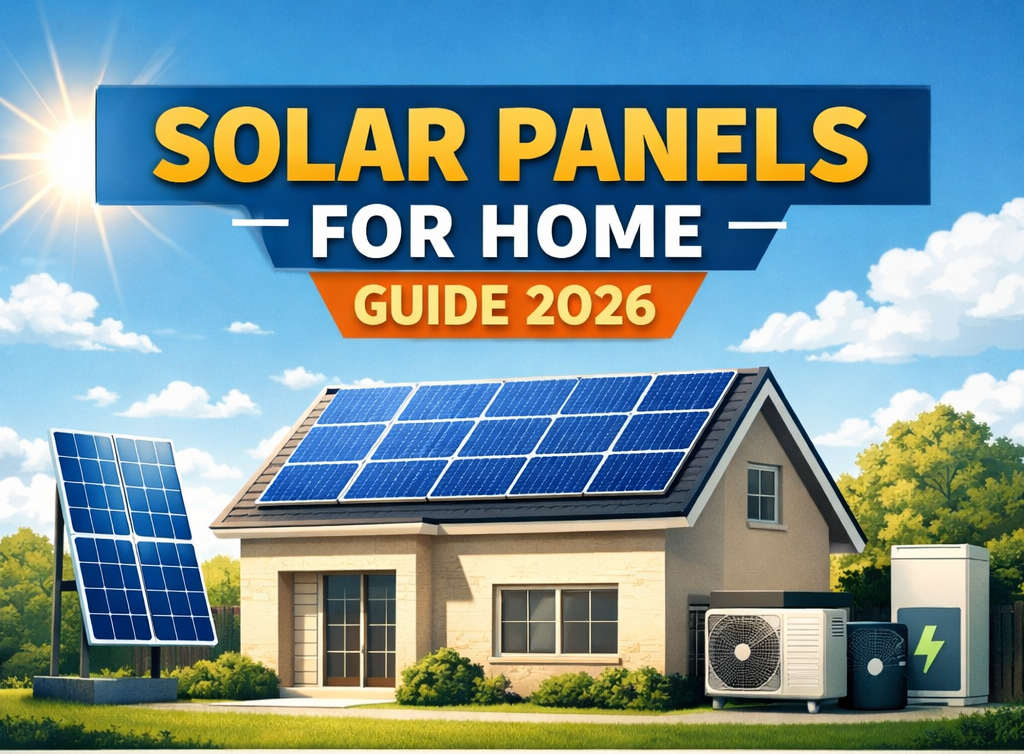
Solar energy is becoming one of the most widely use renewable energy solutions for homes worldwide. Many individuals are now switching to solar systems for their houses due to rising electricity costs and greater knowledge of clean energy.
This manual will address the most frequently ask questions regarding solar energy, such as the number of panels require, whether they are worth it, and whether they can power high-consumption appliances like air conditioning systems.
How Does Solar Power Work?
The Photovoltaic Effect is the mechanism behind solar energy. Solar cells and solar panels capture sunlight and convert it into electricity.
A basic breakdown is provide below:
1. Solar panels seize sunlight.
2. DC power is produce from energy
3. DC electricity is transform into AC by an inverter.
4. Your household appliances are power by electricity
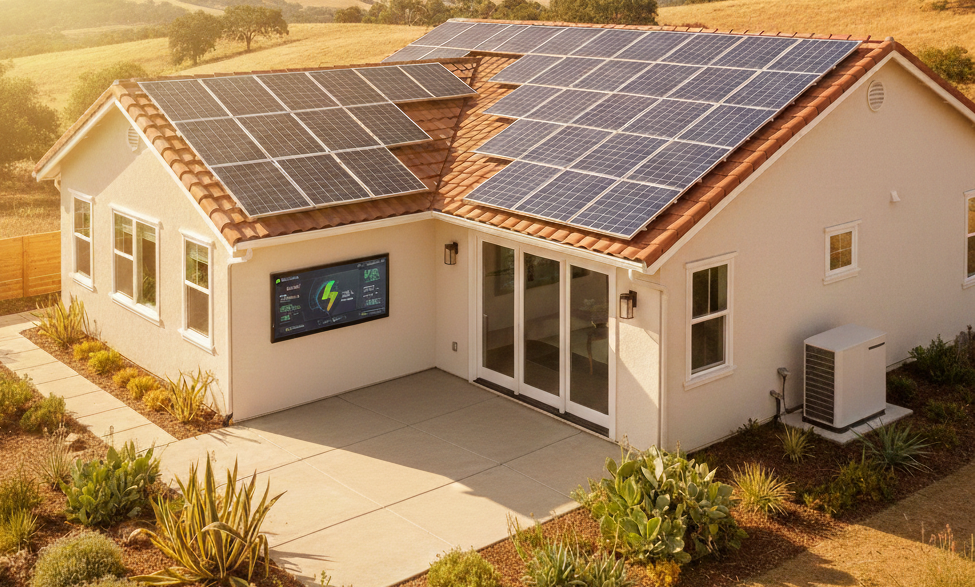
To store extra energy for night time usage, the majority of contemporary systems also include a solar inverter and, occasionally, battery storage. For example, consider the conversion of sunlight into household electricity.
How Many Solar Panels Are Needed to Run a Home?
The quantity of solar panels varies according to how much energy you consume.
On average:
Little house: 10–15 panels
average house: 15 to 25 panels
Big house: 25–40+ panels
Things that influence the figure:
1. Monthly strength usage (kilowatt hours)
2. Orientation and length of the roof
3. Your location gets entry to sunlight
4. Panel efficiency
As an illustration, the average American house uses 900–1200 kWh of electricity per month, necessitating a solar system of medium size. Base on your statement, a skill installer will be able to determine your exact needs.
Are Solar Panels Worth It Now?
Yes — in most cases, solar panels are still worth it in 2026.
Here’s why:
Lower electricity bills
You can reduce your electricity bill by 50% to 90%.
Long-term savings
Although installation costs are high, systems usually pay for themselves in 5–10 years.
Environmental benefits
Solar energy reduces carbon emissions and dependence on fossil fuels.
Government incentives
Many countries offer tax credits or rebates.
However, it depends on:
- Local electricity prices
- Sunlight hours in your region
- Installation cost
Overall, solar is a long-term investment, not a short-term expense.
Can I Run AC on Solar Panels?
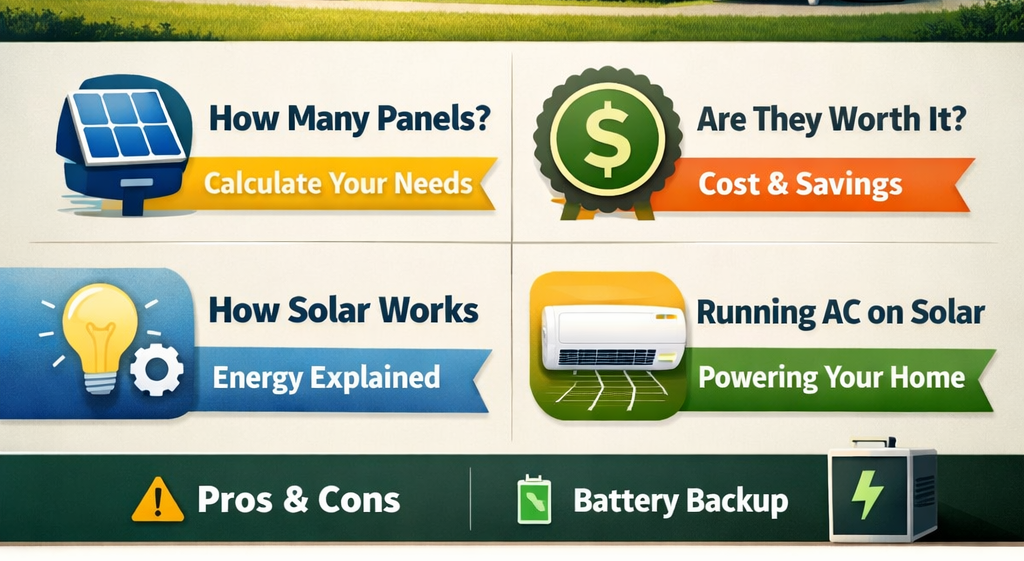
You can run an air conditioner on solar energy — but you need a properly size system.
An AC consumes a lot of electricity:
- Small AC: 1–2 kW
- Large AC: 3–5 kW or more
To run AC smoothly, you need:
- More solar panels
- A powerful inverter
- Battery backup (optional)
Without proper sizing, your system may not handle peak load.
So yes, it is possible, but planning is very important.
What Are the Downsides of Solar Panels on a House?
While solar energy is great, it also has some limitations:
High upfront cost
Installation can be expensive initially.
Weather dependency
Solar panels depend on sunlight, so cloudy or rainy days reduce efficiency.
Roof limitations
Not all roofs are suitable for solar installation.
Maintenance & replacement
Although low maintenance, inverters or batteries may need replacement after some years.
Energy storage cost
Battery systems can be expensive if you want full energy independence.
Despite these issues, most homeowners still benefit in the long run.
Real-World Example of Solar Usage
Let’s say a home uses:
- 1000 kWh per month electricity
A solar system would:
- Generate most of this energy during the day
- Reduce dependency on grid electricity
- Save hundreds of dollars annually
This is why companies like CASOLARHUB, and others are heavily investing in residential solar solutions.
Key Benefits of Solar Energy for Homeowners:
Here are the main advantages:
- Clean renewable energy
- Lower electricity bills
- Increase property value
- Energy independence
- Low maintenance system
Solar energy is now one of the fastest-growing energy solutions worldwide.
Tips Before Installing Solar Panels
Before installing a system, consider:
- Check your electricity bill (kWh usage)
- Analyze roof direction (south-facing is best)
- Compare multiple installers
- Check warranty (usually 20–25 years)
- Consider battery backup if need
Conclusion:
Solar energy is no longer just a future technology — it is a practical solution for modern homeowners. While the initial cost may seem high, the long-term savings and environmental benefits make it a smart investment.
If properly design, a solar system can power your entire home, including high-energy appliances like air conditioners, while reducing your electricity bills significantly.
Frequently Asked Questions
1. Do solar panels work at night?
Solar panels do not produce electricity at night because they need sunlight to generate power. However, if your system includes a battery storage system, it can store excess energy produce during the day and use it at night to keep your home running.
2. How long do solar panels last?
Most solar panels are built to be very durable and long-lasting. On average, they last around 25 to 30 years with proper installation and regular maintenance. Even after this period, they may still produce electricity, but at reduce efficiency.
3. Do solar panels increase home value?
In many cases solar panels can increase a home’s value. Buyers often see solar systems as a long-term savings benefit because they reduce electricity bills, making the property more attractive compare to non-solar homes.
4. Can solar panels fully power a house?
Solar panels can fully power a house if the system is correctly design. This includes having enough panels base on your electricity usage and, in many cases, adding battery storage to ensure a stable power supply during nighttime or cloudy days.