Solar Panel Cost in Los Angeles (2026) Complete Cost Breakdown for Homeowners.
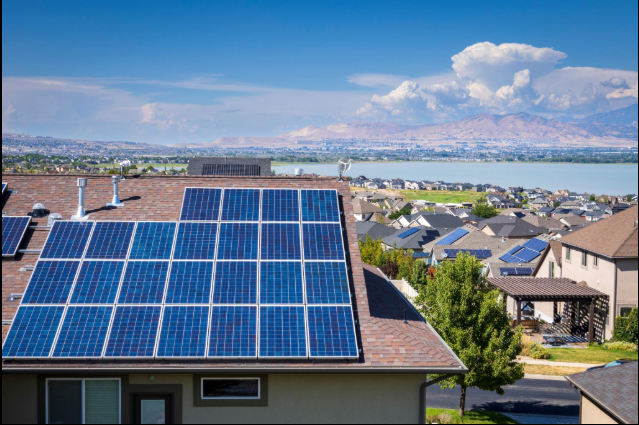
Los Angeles is one of the best cities in the United States for solar energy, thanks to its high electricity rates and year-round sunshine. In 2026, more homeowners are switching to solar not just for environmental reasons but also to reduce long-term energy costs and gain financial control over their electricity use.
However, before installing a system, it’s important to understand the true cost breakdown because solar pricing isn’t just about panels. It includes equipment, labor, permits, and long-term savings potential.
Average Solar Cost in Los Angeles
Most homeowners in Los Angeles pay between $15,000 and $25,000 for a complete solar system before incentives.
After applying the federal tax credit, this cost can drop significantly, making solar more accessible than ever.
In addition to upfront pricing, you should also consider:
- Monthly savings potential
- System lifespan (25+ years)
- Increase in property value
These factors together determine the real value of your investment.
Detailed Solar Panel Installation Cost Breakdown
Solar Panels (30–40%)
Solar panels are the core of your system. Their price depends on:
- Efficiency rating
- Brand reputation
- Warranty period
High-efficiency panels produce more electricity, which can reduce the number of panels need for your home.
Inverter System (10–15%)
The inverter is responsible for converting solar energy into usable power for your home.
There are different types:
- String inverters: More affordable but less flexible
- Microinverters: Better performance, especially in shaded areas
Choosing the right inverter can significantly impact long-term performance.
Installation & Labor (15–25%)
Labor costs vary based on:
- Roof complexity
- Installation time
- Safety requirements
In Los Angeles, labor costs are generally higher due to strict regulations and professional standards.
Mounting & Electrical Components (10–15%)
This includes:
- Mounting racks
- Wiring systems
- Electrical panel upgrades
These components ensure your system is safe, stable, and efficient.
Permits & Inspection (5–10%)
Solar installation requires approval from local authorities.
This includes:
- Building permits
- Electrical inspections
- Utility approvals
These steps ensure your system meets California safety standards.
Optional Battery Storage
Adding a battery increases your upfront cost but improves your energy independence.
Benefits include:
- Backup during outages
- Storing excess energy
- Reducing reliance on the grid
Solar Cost by System Size in Los Angeles
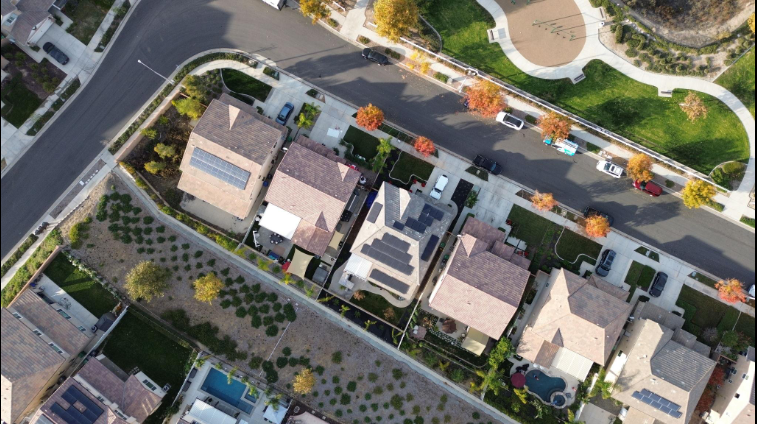
System size directly affects both cost and savings. A smaller system may be cheaper initially but might not cover your full energy usage.
On the other hand, a larger system requires more investment but provides greater long-term savings. The key is finding the right balance based on your electricity usage.
| System Size | Estimated Cost | After Tax Credit |
|---|---|---|
| 3 kW | $7,500 – $10,500 | $5,250 – $7,350 |
| 5 kW | $12,500 – $17,500 | $8,750 – $12,250 |
| 7 kW | $17,500 – $24,500 | $12,250 – $17,150 |
| 10 kW | $25,000 – $35,000 | $17,500 – $24,500 |
What Factors Affect Solar Panel Cost in Los Angeles?
Energy Consumption
Homes with higher electricity usage need larger systems, increasing cost.
Roof Condition
Older roofs may require repairs before installation, adding to expenses.
Sunlight Exposure
Homes with more sunlight generate more energy, improving ROI.
Equipment Quality
Premium components cost more upfront but last longer and perform better.
Local Regulations
Permits and inspection requirements in Los Angeles can influence pricing.
Solar Incentives & Tax Credits in 2026
One of the biggest advantages of installing solar in Los Angeles is access to financial incentives.
Federal Solar Tax Credit
Homeowners can claim up to 30% of installation costs as a tax credit, significantly reducing upfront expenses.
Net Metering (NEM 3.0)
This program allows homeowners to send excess energy back to the grid.
While compensation rates have changed, it still plays a major role in reducing overall electricity costs.
Local Incentives
Some local programs and utility providers offer rebates or financing options that further reduce costs.
Is Solar Worth It in Los Angeles?
Solar is considered one of the best investments for homeowners in Los Angeles.
Financial Benefits
- Lower electricity bills
- Protection from rising energy costs
Environmental Impact
- Reduced carbon footprint
- Clean renewable energy
Long-Term Value
Solar systems typically last 25+ years, making them a long-term asset.
Los Angeles Electricity Rates vs Solar Savings
Electricity rates in Los Angeles are among the highest in the country—and they continue to rise.
By installing solar:
- You reduce dependency on utility companies
- You gain predictable energy costs
- You increase long-term savings
Over time, these savings can exceed your initial investment.
Solar Battery Cost & Benefits
Battery storage is becoming increasingly popular in 2026.
Why Homeowners Choose Batteries?
- Protection during power outages
- Better control over energy usage
- Increased savings under new net metering rules
Is It Worth It?
Batteries are not necessary for every home, but they can be highly beneficial depending on your energy needs.
How to Reduce Solar Installation Cost?
Compare Multiple Installers
Getting multiple quotes ensures competitive pricing.
Use Incentives Smartly
Maximize available tax credits and rebates.
Avoid Oversizing
Choosing the right system size prevents unnecessary costs.
Choosing the Best Solar Installer in Los Angeles
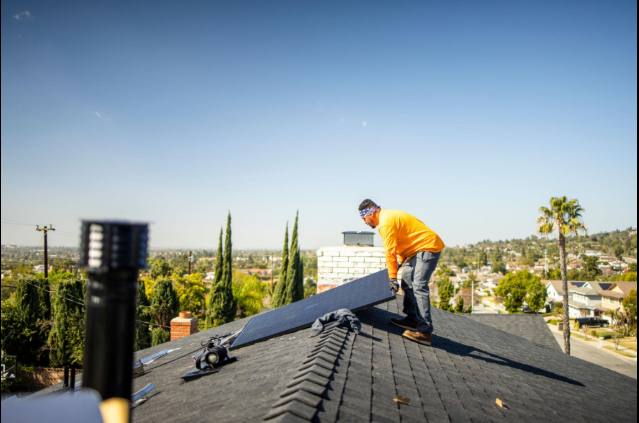
Selecting the right installer can make or break your solar experience.
Look for:
- Proper certifications
- Transparent pricing
- Strong warranties
- Verified customer reviews
A reliable installer ensures quality installation and long-term performance.
Conclusion:
Solar panel installation in Los Angeles is a long-term investment that offers both financial and environmental benefits. While the upfront cost may seem high, the combination of savings, incentives, and energy independence makes it a highly attractive option for homeowners in 2026.
FAQs.
How much does it cost to install solar panels in Los Angeles in 2026?
The average cost of solar panel installation in Los Angeles ranges between $15,000 and $25,000 before incentives. After applying the federal tax credit, homeowners typically pay between $10,500 and $17,500 depending on system size and energy needs.
What is the average cost per watt for solar in Los Angeles?
In 2026, the average cost per watt in Los Angeles is between $2.50 and $3.50. This varies based on equipment quality, installer pricing, and system size.
Are solar panels worth it in Los Angeles?
Yes, solar panels are worth it in Los Angeles due to high electricity rates and strong sunlight. Most homeowners recover their investment within 5 to 8 years and enjoy long-term savings.
How long does it take to break even on solar panels?
The average payback period for solar panels in Los Angeles is around 5 to 8 years, depending on installation cost, incentives, and energy usage.
What factors affect solar panel installation cost in Los Angeles?
Key factors include system size, energy consumption, panel type, roof condition, labor costs, and local permitting requirements.
Can I sell excess solar energy back to the grid in Los Angeles?
Yes, through California’s Net Metering (NEM 3.0) program, homeowners can send excess electricity back to the grid and receive credits.
Do solar panels increase home value in Los Angeles?
Yes, homes with solar systems often have higher resale value because buyers prefer energy-efficient properties with lower electricity costs.
Is a solar battery worth it in Los Angeles?
A solar battery can be worth it if you want backup power during outages and more control over energy usage, especially under new net metering rules.
How can I reduce solar installation costs?
You can reduce costs by comparing multiple quotes, using tax credits, choosing the right system size, and selecting reliable installers.
What size solar system do I need for my home in Los Angeles?
Most homes require a system between 5kW and 10kW, depending on electricity usage, roof space, and energy goals.