
Solar Panel Cost in San Jose: Step-by-Step Guide 2026 Real Prices, Savings & Hidden Costs.
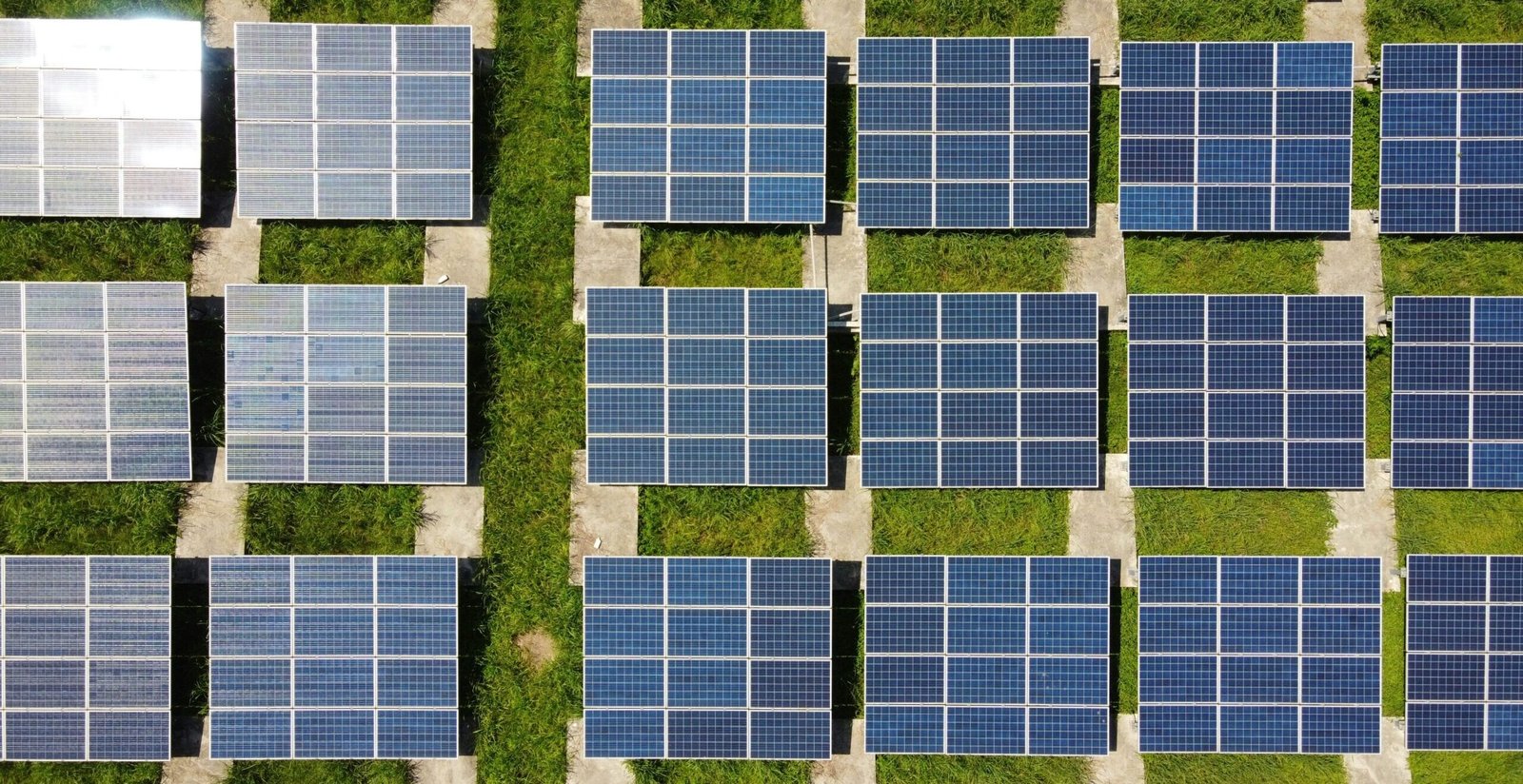
Imagine slashing your PG&E electricity bill by 80% every single month. For thousands of San Jose homeowners in 2026, this is not a dream; it is a daily reality power by rooftop solar panels. San Jose sits at the center of Silicon Valley. Still, it is also quietly becoming the Solar Capital of Northern California, with sky-high utility rates and some of the most generous incentives in the entire country.
But before you call a solar installer, you need the complete picture, not just the shiny marketing numbers. By the end of this guide, you will know exactly what solar costs in San Jose, what you will save, and whether it is truly worth your investment.
Average Solar Panel Cost in San Jose (2026)
San Jose homeowners in 2026 are paying between $13,000 and $24,000 for a complete residential solar panel system before any incentives or rebates. Once the 30% Federal Solar Investment Tax Credit (ITC) is apply, that cost drops dramatically making solar far more accessible than most people expect.
Cost Breakdown by System Size
| System Size | Average Cost (Before ITC) | After 30% Federal Tax Credit |
|---|---|---|
| 4 kW | $11,000 – $14,000 | $7,700 – $9,800 |
| 6 kW | $15,000 – $18,000 | $10,500 – $12,600 |
| 8 kW | $18,000 – $22,000 | $12,600 – $15,400 |
| 10 kW | $22,000 – $27,000 | $15,400 – $18,900 |
For most San Jose households, a 6 kW to 8 kW system is the sweet spot comfortably covering 700 to 900 kWh of monthly electricity consumption, which matches the average Bay Area home’s energy needs perfectly.
Solar Cost Per Watt in San Jose
- Average cost per watt: $3.00 – $3.80
- After federal tax credit: $2.10 – $2.66 per watt
Bay Area labor costs push San Jose’s per-watt price slightly above the national average of $2.80. However, with PG&E charging some of the highest electricity rates in America and San Jose receiving exceptional solar irradiance year-round, the return on investment consistently outperforms most other U.S. cities.
What Factors Affect Solar Panel Cost in San Jose?
Understanding why your actual installer quote looks different that is where most homeowners get confuse. Here are the real factors that drive your final solar installation cost in San Jose:
1. Type of Solar Panels
Not all photovoltaic (PV) panels are create equal. Your panel choice significantly impacts both upfront cost and long-term energy production:
- Monocrystalline Panels: Premium efficiency rating of 20 to 23 percent, highest price point, ideal for homes with limited roof space
- Polycrystalline Panels: Solid mid-range efficiency of 15 to 18 percent, more budget-friendly option
- Thin-Film Panels: Lowest efficiency available, most affordable, rarely recommend for San Jose residential installations
2. Roof Condition and Type
Your roof is the foundation of your entire solar system. Installers will inspect it thoroughly before installation. Older roofs, tile roofs, steep pitches, or complex multi-angle designs all add labor time and cost. Expect to pay an additional $1,500 to $6,000 if your roof needs work before panels can be safely mounted.
3. Inverter Selection
Every solar system needs an inverter to convert DC electricity from your panels into usable AC power for your home. Your inverter choice affects both performance and price:
- String Inverters: Budget-friendly option ranging from $1,000 to $2,000
- Microinverters: Panel-level optimization for $1,500 to $3,000, best performance in partial shading
- Power Optimizers: Balance middle-ground solution between string and micro options
4. Battery Storage System
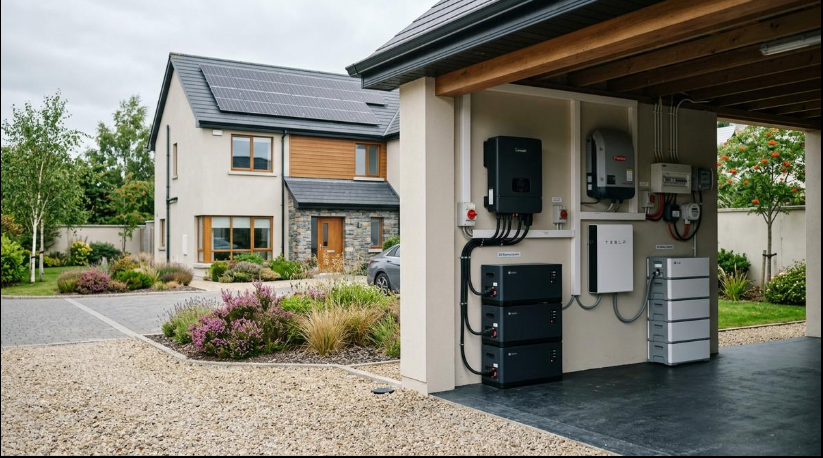
San Jose homeowners are increasingly adding battery storage to maximize savings under PG&E’s Time-of-Use (TOU) pricing structure. A Tesla Powerwall or Enphase IQ Battery adds $8,000 to $16,000 to your system cost but allows you to store cheap daytime solar energy and avoid expensive peak-hour grid electricity — dramatically improving your overall financial returns.
5. Permits and HOA Fees
San Jose solar permits typically cost between $500 and $2,000 depending on system size and local jurisdiction. Homeowners in HOA communities should note that California’s AB 2188 law significantly limits an HOA’s ability to block or delay solar installations protecting your right to go solar.
Hidden Costs of Solar Panels in San Jose Nobody Tells You
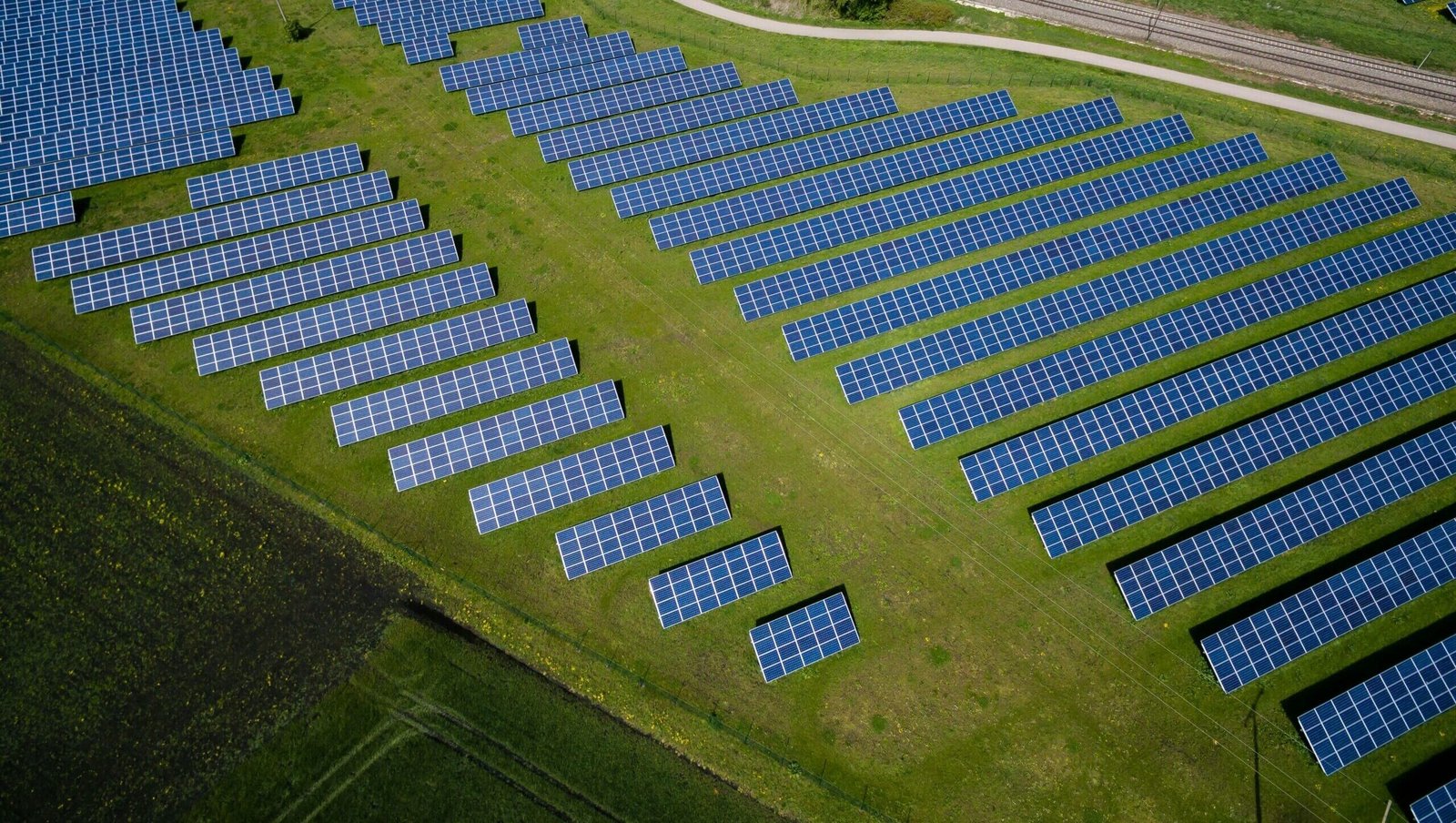
This is the section your solar salesperson will likely skip entirely. These are the real costs that catch San Jose homeowners off guard after they have already sign a contract:
1. Roof Repair or Replacement
Any reputable installer will refuse to mount panels on a damage or aging roof. If your roof is more than 10 years old, prepare for a potential replacement bill of $8,000 to $20,000 before a single panel gets install. Always get a roof inspection before requesting solar quotes.
2. Electrical Panel Upgrade
Older San Jose homes particularly those built before 1990 frequently have electrical panels that cannot safely handle a modern solar system’s output. A full electrical panel upgrade runs $1,500 to $4,000 and is almost never include in your standard solar installation quote.
3. Tree Trimming or Removal
A shade solar panel is an underperforming solar panel. Trees blocking your roof’s sun exposure can reduce system efficiency by up to 30 percent. Professional tree trimming or removal in San Jose typically costs $500 to $3,000 depending on tree height, species, and accessibility.
4. Inverter Replacement
String inverters have an average lifespan of just 10 to 15 years well short of your 25-year solar panel warranty. Plan ahead and budget $1,000 to $2,500 for at least one inverter replacement during your system’s lifetime.
5. HOA Application Fees
Even with California’s AB 2188 protections, some San Jose HOAs still charge administrative review fees ranging from $200 to $800. Factor this into your total installation budget.
6. Monitoring System Costs
Many solar companies advertise “free monitoring” but charge monthly subscription fees after the first year. Always ask upfront whether system monitoring is permanently include in your contract or billed separately after a trial period ends.
Solar Incentives and Rebates Available in San Jose (2026)
San Jose homeowners have access to an exceptional stack of solar incentives in 2026. Combining these programs can reduce your total net solar investment by 40 to 50 percent making an already smart financial decision even smarter.
Federal Solar Investment Tax Credit (ITC) – 30%
The federal ITC remains one of the most powerful solar incentives available anywhere in America. It allows you to deduct a full 30% of your complete solar system cost including panels, inverters, battery storage, and labor — directly from your federal income tax liability. There is no upper dollar limit on this deduction.
California Net Energy Metering (NEM 3.0)
San Jose homeowners serve by PG&E participate in California’s NEM 3.0 program, which credits your account for every kilowatt-hour of excess solar electricity you export to the grid. While NEM 3.0 offers lower export rates compared to its predecessor NEM 2.0, pairing your solar system with battery storage allows you to maximize self-consumption and significantly reduce reliance on lower export credits.
California Property Tax Exclusion for Solar
California state law protects solar homeowners from property tax increases trigger by their solar installation. Even as your home’s market value rises by thousands of dollars thanks to your panels, your property tax assessment remains completely unchange a substantial long-term financial benefit.
Self-Generation Incentive Program (SGIP)
California’s SGIP program provides direct cash rebates for home battery storage systems. Low-income households and homeowners in high fire-threat districts receive the most generous rebates in some qualifying cases covering up to 100% of battery storage installation costs.
San Jose Clean Energy (SJCE) Programs
San Jose Clean Energy operates as the city’s official community choice energy provider and regularly offers supplemental programs, rebates, and rate structures that benefit residential solar customers. Always verify SJCE’s current program offerings before finalizing your installation agreement.
Real Monthly Savings What San Jose Homeowners Actually Save?
PG&E electricity rates have climb to $0.38 to $0.48 per kWh in 2026 among the highest residential electricity rates in the entire United States. This makes every kilowatt-hour your solar system produces exceptionally valuable.
Estimated Monthly and Annual Savings
| Monthly PG&E Bill | System Size | Monthly Savings | Annual Savings |
|---|---|---|---|
| $200 | 5 kW | $160 – $185 | $1,920 – $2,220 |
| $300 | 7 kW | $245 – $275 | $2,940 – $3,300 |
| $400 | 9 kW | $330 – $370 | $3,960 – $4,440 |
| $500 | 11 kW | $410 – $460 | $4,920 – $5,520 |
Solar Payback Period in San Jose
After applying the 30% federal tax credit, most San Jose homeowners achieve complete solar payback in just 6 to 9 years. With manufacturer warranties covering panels for a full 25 years, that leaves 16 to 19 years of virtually free electricity production pure financial return on your initial investment.
25-Year Return on Investment
Accounting for PG&E’s consistent annual rate increases of 5 to 7 percent, a properly sized San Jose solar system conservatively generates $50,000 to $90,000 in lifetime electricity savings over 25 years. Few home improvements come close to matching this level of long-term financial return.
H2: Solar Financing Options in San Jose
H3: 1. Cash Purchase
Maximum lifetime savings and immediate full ownership. You claim the entire 30% federal tax credit and start saving from day one. Best choice for homeowners with available capital who want the strongest possible ROI.
H3: 2. Solar Loan
Own your system while spreading the cost over 5 to 20 years with fixed monthly payments. You retain full eligibility for the 30% tax credit, and in most cases your monthly loan payment is lower than your current PG&E bill — meaning positive cash flow from month one.
H3: 3. Solar Lease
A solar company owns and maintains the system while you pay a fixed monthly fee for its use. Minimal upfront cost, but you forfeit system ownership and federal tax credit eligibility. Best for homeowners who cannot qualify for loans.
H3: 4. Power Purchase Agreement (PPA)
Pay exclusively for the electricity your panels actually produce, at rates typically 10 to 30 percent below PG&E prices. Zero upfront cost and immediate bill reduction, but no system ownership or tax credit benefits.
H3: 5. PACE Financing
Property Assessed Clean Energy financing attaches your solar loan to your property and is repaid through annual property tax payments over 10 to 25 years. Available to most San Jose homeowners and does not require strong credit scores for approval.
Best Solar Companies in San Jose (2026)
Choosing the right installer is just as important as choosing the right panels. When evaluating San Jose solar companies, always verify these credentials:
- NABCEP Certification: The industry’s gold standard installer qualification
- California C-46 Solar Contractor License: Legally require for all California solar installations
- Panel Warranty: Minimum 25 years manufacturer coverage
- Workmanship Warranty: Minimum 10 years installer coverage
- Verified Reviews: Cross-check Google, Yelp, and Better Business Bureau ratings
- Itemized Quotes: Reject any quote that bundles costs without clear line-item breakdown
Leading national providers operating in San Jose include SunPower, Sunrun, Tesla Energy, and Swell Energy, alongside numerous well-review local installers. Always secure a minimum of three competing quotes before making any final decision.
How Much Roof Space Do You Need in San Jose?
| System Size | Panels Needed | Roof Space Required |
|---|---|---|
| 4 kW | 10–12 panels | 180–240 sq ft |
| 6 kW | 15–18 panels | 270–360 sq ft |
| 8 kW | 20–24 panels | 360–480 sq ft |
| 10 kW | 25–30 panels | 450–600 sq ft |
South-facing roof sections capture maximum daily sunlight in San Jose and are always the prefer mounting location. West-facing sections are an excellent secondary option, as afternoon sun exposure aligns perfectly with PG&E’s expensive peak TOU pricing hours maximizing the value of your solar production precisely when grid electricity costs the most.
Solar Panel Lifespan and Maintenance in San Jose
H3: What to Expect Over 25 Years
- Panel Lifespan: 25 to 30 years back by manufacturer warranty
- Efficiency Degradation: Roughly 0.5% annually panels still deliver 87% of original output after 25 full years
- Annual Maintenance Cost: Minimal professional cleaning runs just $100 to $300 per year
- Inverter Replacement: Budget $1,000 to $2,500 approximately 12 to 15 years into system life
- System Monitoring: Nearly all modern systems include complimentary app-base real-time monitoring
San Jose’s mild Mediterranean climate characterize by low humidity, negligible hail risk, and rare extreme weather events creates near-ideal conditions for maximum solar panel durability and consistent long-term performance.
Conclusion:
San Jose delivers everything a solar investment needs to succeed relentless sunshine, punishing utility rates, powerful government incentives, and a thriving local installer market. The financial case for going solar here in 2026 is stronger than ever.
The hidden costs are real roof repairs, panel upgrades, tree removal, and eventual inverter replacement are expenses you must plan for honestly. But even after accounting for every dollar of those costs, the 25-year ROI of $50,000 to $90,000 makes residential solar in San Jose one of the most financially rewarding home investments available anywhere in California today.
Frequently Asked Questions.
1: What is the average solar panel cost in San Jose in 2026?
A complete residential system runs $13,000 to $24,000 before incentives. After the 30% federal tax credit reduces your net cost to $9,100 to $16,800, depending on system size, panel brand, and installation complexity.
2: What hidden costs should I watch for in San Jose?
Budget carefully for roof repairs ($1,500–$6,000), electrical panel upgrades ($1,500–$4,000), tree removal ($500–$3,000), future inverter replacement ($1,000–$2,500), and potential HOA administrative fees ($200–$800).
3: How long until my solar system pays for itself in San Jose?
Most San Jose homeowners reach full payback in 6 to 9 years after factoring in the federal tax credit and ongoing PG&E bill savings.
4: Does PG&E pay me for extra solar electricity I generate?
Through California’s NEM 3.0 program, PG&E applies bill credits for every excess kilowatt-hour your system exports to the grid, which offset your future electricity charges.
5: Is going solar truly worth it in San Jose in 2026?
Without question. PG&E’s rates rank among America’s highest, San Jose receives 300-plus sunny days annually, and the 30% federal tax credit combine with a 25-year panel warranty produces lifetime savings of $50,000 to $90,000 per household.
6: Should I add battery storage to my San Jose solar system?
Strongly recommend. A Tesla Powerwall or Enphase IQ Battery ($8,000–$16,000) lets you store cheap daytime solar energy and avoid costly PG&E peak rates. California’s SGIP rebate program may substantially reduce your battery storage costs.
7: Will solar panels raise my property taxes in San Jose?
No. California law specifically exempts solar installations from property tax reassessment, so your taxes stay flat even as your home’s value increases.
8: How long does the complete solar installation process take in San Jose?
Physical panel installation takes 1 to 3 days. However, permits, PG&E interconnection approval, and NEM 3.0 enrollment typically require 6 to 12 weeks due to high installer demand across the Bay Area.