
California Solar Tax Credit 2026: What Change, What’s Gone & What Still Saves You Money.

Solar panels in California and you keep seeing references to a 30 percent federal tax credit, stop because that information is outdate and could cost you thousands of dollars in misplace financial planning. The 30 percent Federal Residential Solar Tax Credit formally known as Section 25D of the U.S. Tax Code expire on December 31, 2025.
It was terminate early by the One Big Beautiful Bill Act, sign into law by President Trump on July 4, 2025, ending a credit that had originally been schedule to remain available through 2034. If you are installing solar in California in 2026 with cash or a conventional loan, there is no federal tax credit available to you as a homeowner.
California homeowners in 2026 still have access to a meaningful set of state-level solar incentives including property tax protections, battery rebates, income-qualify programs, and flexible financing options that can substantially reduce the net cost of going solar. Understanding exactly what is available, what has change, and what strategy makes the most financial sense for your specific situation is what this guide is design to deliver.
The Federal Solar Tax Credit in 2026: What Exactly Happened?
The Federal Investment Tax Credit (ITC) was the single most impactful financial incentive available to American homeowners going solar. Under Section 25D of the tax code, homeowners who purchase a solar panel system with cash or a loan could deduct 30 percent of the total installation cost directly from their federal tax liability not as a deduction from income, but as a dollar-for-dollar reduction in actual taxes owe.
On a $20,000 installation, that meant $6,000 directly off your federal tax bill. The Inflation Reduction Act of 2022 had extend this 30 percent rate through 2032, with a gradual phase-down to 26 percent in 2033 and 22 percent in 2034. Homeowners planning solar installations were operating under the assumption that this timeline was secure. It was not.
The One Big Beautiful Bill Act, What It Did to Solar?
Among its many provisions, the legislation terminate the Section 25D Residential Clean Energy Credit nearly a decade ahead of schedule. The termination was effective January 1, 2026 with no phase-down period, no grace window, and no exceptions for systems that were in planning but not yet install.
California homeowner who purchase and had a solar system fully install and operational by December 31, 2025, can still claim the 30 percent credit when filing their 2025 taxes. Any California homeowner who installs solar in 2026 or later purchasing with cash or a loan cannot claim any federal residential tax credit. The credit is simply gone for direct ownership.
What About Leases and PPAs, Is There Still a Tax Credit Available?
The One Big Beautiful Bill Act terminate the residential Section 25D credit, but it left the commercial Section 48E Investment Tax Credit intact for certain qualifying projects. Third-party owned solar systems meaning solar leases and Power Purchase Agreements (PPAs) where a company owns the system install on your roof can still qualify for the commercial 48E tax credit if construction begins before July 4, 2026, and the system is place in service by December 31, 2027.
If you sign a solar lease or PPA with a provider who claims the 48E credit, that provider is suppose to pass the value of the credit to you through lower monthly rates or a reduce upfront cost. You do not receive the credit directly on your taxes the system owner does but competitive providers typically incorporate that savings into their pricing.
California Solar Incentives That Are Still Available in 2026
The loss of the federal residential tax credit is a significant change but California’s solar incentive landscape extends well beyond the federal ITC. Here is a complete picture of what is still available to California homeowners going solar in 2026.
California Property Tax Exclusion Still Active, But Expiring Soon
California’s Active Solar Energy System Exclusion is one of the state’s most underappreciate solar benefits. Under this program, installing solar panels on your home does not trigger a property tax reassessment meaning your annual property taxes will not increase even though your home’s market value rises with the addition of a solar system.
Consider what this means in financial terms. A solar installation typically adds $15,000 to $30,000 in market value to a California home. Without the exclusion, that increase in assess value would generate additional annual property taxes of roughly $150 to $350 per year compounding across the life of your system. The exclusion eliminates that cost entirely.
Per Senate Bill 710, sign October 3, 2025, systems install and operational before January 1, 2027 retain this exclusion until the property is sold. The exclusion for new installations expires after January 1, 2027. For California homeowners considering solar in 2026, this deadline creates a genuine financial incentive to act this year rather than waiting into 2027.
SGIP Battery Rebate Now the Most Important Incentive for 2026
With the federal residential tax credit gone, the Self-Generation Incentive Program (SGIP) has become the most financially significant solar incentive available to many California homeowners in 2026. SGIP provides rebates for residential battery storage systems installed in PG&E, SCE, SDG&E, SoCalGas, and LADWP service territories.
The standard SGIP rebate is $150 per kilowatt-hour of battery storage capacity. The Residential Solar and Storage Equity (RSSE) program within SGIP specifically targets households at or below 80 percent of Area Median Income (AMI), with rebates that in some cases exceed what the old federal tax credit would have provide.
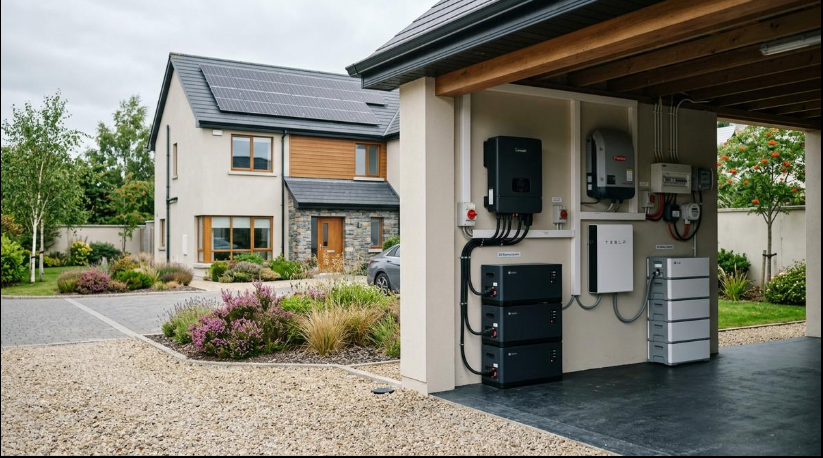
Battery storage is not just a financial decision under PG&E’s NEM 3.0 Solar Billing Plan, storing excess solar production and using it during peak hours rather than exporting it to the grid at low whole sale rates is now fundamental to maximizing the economics of a California solar installation. SGIP rebates make that decision significantly more affordable.
DAC-SASH Program Free or Heavily Discounted Solar for Qualifying Households
The Disadvantaged Communities Single-family Affordable Solar Homes (DAC-SASH) program remains active in 2026 for qualifying PG&E, SCE, and SDG&E customers. If you own a single-family home in a census tract designate as a top 25 percent disadvantage community under California’s CalEnviroScreen methodology, DAC-SASH offers an upfront rebate of $3 per watt for systems between 1 and 5 kilowatts.
On a 5 kW system, that is a $15,000 rebate an amount that exceeds what the 30 percent federal tax credit would have provide on many smaller systems. Income limits through May 31, 2026 are $52,875 for a one-to-two person household and $94,125 for a five-person household. Contact your utility or a license installer to determine whether your property’s census tract qualifies.
PACE Financing Solar With No Money Down
Property Assessed Clean Energy (PACE) financing allows California homeowners to install solar with typically no upfront payment, repaying the cost through an assessment add to their property tax bill over 10 to 20 years. Because the debt is secure against the property rather than the individual borrower, PACE often offers more accessible terms than personal loans.
For homeowners who want to act in 2026 before the property tax exclusion expires but lack available cash or conventional financing, PACE represents one of the most practical pathways to ownership. PACE creates a lien on your property that must be disclose to buyers if you sell. Review all PACE terms carefully and consult a financial advisor before proceeding.
Net Billing Credits (NEM 3.0) Still a Savings Mechanism, But Understand the Rules
Under PG&E, SCE, and SDG&E’s current Solar Billing Plan, California homeowners still receive bill credits for solar electricity exported to the grid but at wholesale avoid-cost rates rather than full retail rates. For most California homeowners, this means export credits are worth approximately 75 percent less than they were under the previous NEM 2.0 program.
The most financially effective California solar systems in 2026 are design to maximize self-consumption of solar production rather than grid export. Battery storage, smart home energy management, and shifting appliance usage to daytime hours are all tools that help homeowners make the most of their solar investment under current net billing rules.
What Solar Installations Still Qualify for Federal Credits in 2026?
Understanding exactly which scenarios still have access to federal tax credit value prevents costly misunderstandings and helps California homeowners make genuinely informed decisions.
Homeowners Who Installed Before December 31, 2025
If you had a solar system fully install and operational before December 31, 2025, you can still claim the 30 percent credit on your 2025 federal tax return filed in early 2026. The system must have been place in service meaning fully install, inspect, and operational by the December 31 deadline. A sign contract or a system that was partially install but not operational does not qualify.
If your credit amount exceeds your total 2025 federal tax liability, you can carry the unuse portion forward to your 2026 tax return. The carryforward provision was not affect by the One Big Beautiful Bill Act.
Homeowners Using Leases or PPAs in 2026
Homeowners who sign a solar lease or PPA with a third-party system owner may still benefit indirectly from the commercial Section 48E credit if the provider passes the savings through as lower rates or reduce upfront cost. Ask your installer directly whether their pricing incorporates 48E credit value and request write confirmation. Without this confirmation, assume the credit is not being pass to you.
Homeowners Who Purchase Systems in 2026 With Cash or a Loan
There is no federal tax credit available. No exceptions. No workarounds. For homeowners in this category, the financial case for solar in California rests entirely on electricity bill savings, available state and utility incentives, and long-term protection against rising PG&E, SCE, and SDG&E rates.
Is Solar Still Worth It in California in 2026 Without the Federal Tax Credit?
California has some of the highest electricity rates in the country. PG&E’s effective bundle residential rate sits around 40 cents per kilowatt-hour more than double the national average. SCE and SDG&E rates are similarly elevate. These rates have increase six times between 2024 and 2025 alone, and the CPUC’s own projections forecast 6 to 7 percent average annual rate increases through 2028 for all three major investor-own utilities.
Every kilowatt-hour your solar panels produce is a kilowatt-hour you do not purchase from your utility at those rates. Over a 25 to 30-year system lifespan, that avoid electricity cost compounds into substantial savings and those savings grow as utility rates continue rising.
Comparing the Financial Impact, With and Without the Federal Tax Credit
| Scenario | System Cost | Federal Credit | Net Cost | Payback Period |
|---|---|---|---|---|
| Installed before Dec 31, 2025 | $22,000 | $6,600 (30%) | $15,400 | 5 – 6 years |
| Cash/loan purchase in 2026 | $22,000 | $0 | $22,000 | 7 – 9 years |
| Lease/PPA in 2026 | $0 upfront | Indirect benefit | — | Lower monthly rate / Immediate savings |
Step-by-Step How to Claim the Credit If You Install?
The complete installation invoice from your solar contractor, a copy of your installation contract, all payment receipts, and your Permission to Operate (PTO) letter from your utility confirming the system was approved to connect to the grid. The third step is to complete IRS Form 5695, Residential Energy Credits. The form calculates 30 percent of that amount as your credit. The credit flows to Schedule 3 of your federal Form 1040 and directly reduces your tax liability. The fourth step is to file your return. If your credit exceeds your 2025 tax liability, the unuse portion automatically carries forward to your 2026 tax return you do not need to take any additional action beyond noting the carryforward amount.
Common Mistakes California Homeowners Make About Solar Tax Credits in 2026
The most dangerous mistake is assuming the 30 percent federal credit is still available for new 2026 purchases. Numerous websites, installer sales pitches, and online calculators have not been update to reflect the One Big Beautiful Bill Act’s changes. If any installer tells you that you can claim a 30 percent federal tax credit on a cash or loan purchase made in 2026, ask them to show you the current IRS guidance and get a second opinion.
The second common mistake is confusing state rebates with tax credits. A rebate is a direct payment or reduction in purchase price you receive the benefit regardless of your tax situation. A tax credit reduces your tax liability, which means it only benefits you if you owe federal taxes. Homeowners who confuse the two may overestimate the financial benefit of certain incentive programs.
Conclusion:
The termination of the 30 percent federal residential solar tax credit is a genuine and significant change for California homeowners. It extends payback periods, raises the net cost of ownership, and requires a more careful analysis of which solar financing approach direct purchase, loan, lease, or PPA delivers the best financial outcome for each individual household.
The SGIP battery rebates, and the DAC-SASH program for qualifying homeowners all continue to support a compelling financial case for going solar in 2026. The homeowners who do their homework understand what incentives are genuinely available, get multiple quotes, choose the right financing structure, and act before the property tax exclusion expires will still come out significantly ahead compare to continuing to pay rising utility rates for the next 25 years.
Frequently Ask Questions:
1. Is the 30 percent federal solar tax credit still available in California in 2026?
The Section 25D Residential Clean Energy Credit which allow homeowners to claim 30 percent of their solar installation cost as a federal tax credit expire on December 31, 2025. It was terminate by the One Big Beautiful Bill Act signed July 4, 2025. Homeowners installing solar in 2026 with cash or a loan cannot claim any federal residential solar tax credit.
2. What if I installed solar before December 31, 2025 can I still claim the credit?
If your system was fully install and operational before December 31, 2025, you can claim the 30 percent credit on your 2025 federal tax return. File IRS Form 5695 and attach it to your Form 1040. If your credit exceeds your 2025 tax liability, the remainder carries forward to 2026.
3. Can I still get any federal tax benefit from solar in 2026?
Solar lease or PPA rather than purchasing the system. The commercial Section 48E credit still applies to third-party owned systems, and providers may pass the value through as lower rates. You do not receive the credit directly, however. Confirm explicitly with your installer whether their pricing reflects this benefit.
4. What California solar incentives are still available in 2026?
The California Property Tax Exclusion (for systems install before January 1, 2027), SGIP battery rebates ($150/kWh standard), DAC-SASH program (up to $15,000 for qualifying homeowners), PACE financing, and net billing credits under NEM 3.0.
5. Is solar still worth it in California without the federal tax credit?
California’s electricity rates are among the highest in the country and are project to increase 6 to 7 percent annually through 2028. The payback period extends without the federal credit, but solar systems in California still pay for themselves well within their operational lifespan and deliver strong long-term savings.
6. Does the federal tax credit apply to battery storage in 2026?
Not for homeowner-own batteries purchase with cash or a loan. The Section 25D credit for residential battery storage also expire December 31, 2025. Battery systems install through a solar lease or PPA may still qualify under Section 48E through 2032, with the credit going to the system owner.
7. What happens if my 2025 solar tax credit exceeds my tax liability?
The unuse portion automatically carries forward to your next tax year. You can continue carrying it forward until the full credit is used. Consult a tax professional for guidance specific to your situation.
8. Is there a California state solar tax credit separate from the federal credit?
California does not offer a state-level solar income tax credit. California’s solar benefits come through the property tax exclusion, net billing credits, utility rebate programs (SGIP, DAC-SASH), and financing programs (PACE) not a state income tax credit.