
Net Metering California (2026) Complete Homeowner Guide.
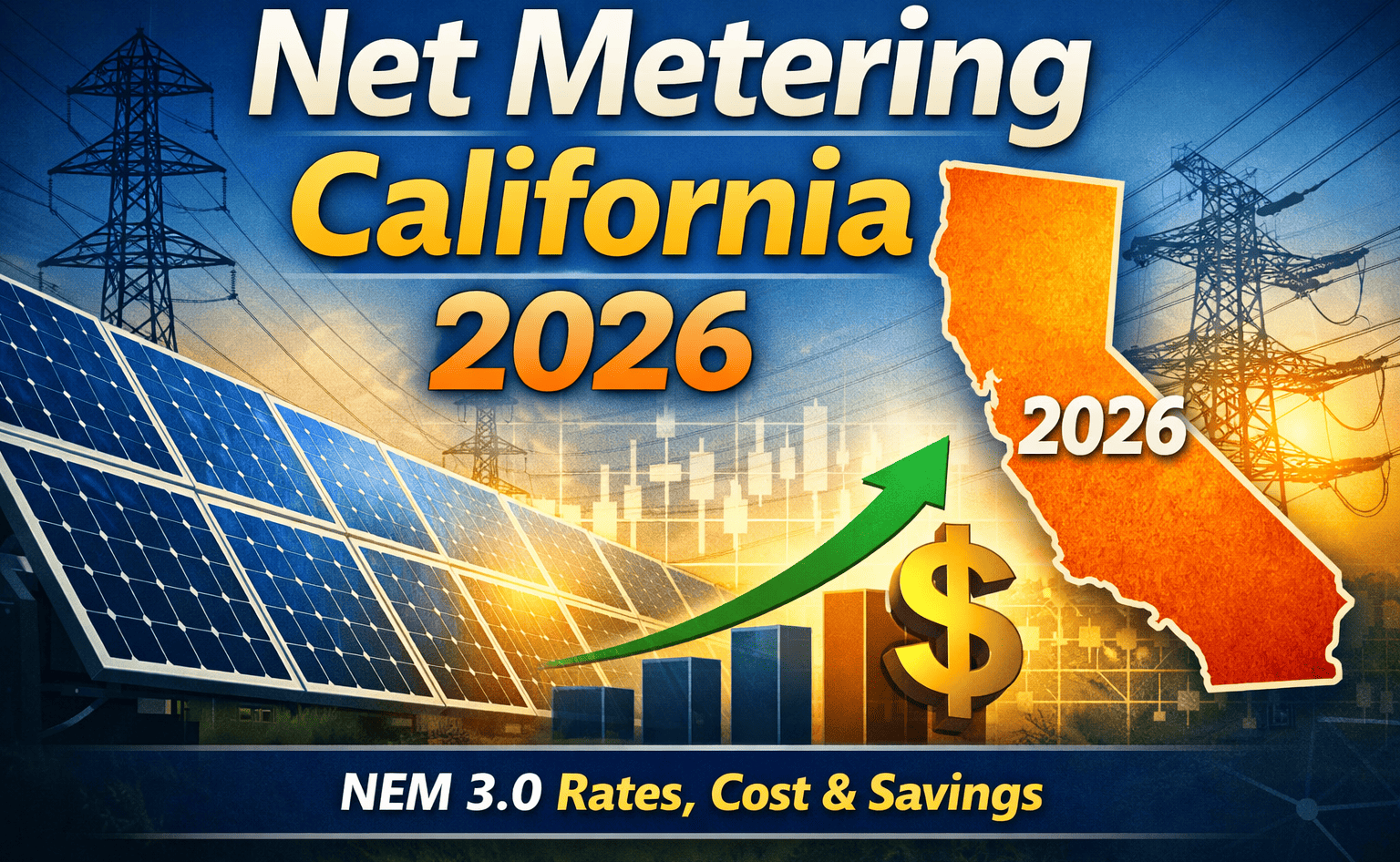
NEM 3.0 2026 in California has change significantly in recent years, especially with the introduction of NEM 3.0. If you are planning to install solar panels or already have a system, understanding how net metering works in 2026 is essential for maximizing your savings.
In addition, this guide explains how net metering works, what change under NEM 3.0, and how homeowners can still benefit from solar energy in California.
What Is Net Metering in California?
Net metering is a billing system that allows homeowners with solar panels to send excess electricity back to the grid in exchange for credits.
Here’s how it works:
- Solar panels generate electricity during the day
- Extra energy is sent to the grid
- Your utility company gives you credits
- You use those credits when your system is not producing power
This system helps reduce electricity bills and makes solar energy more financially attractive.
Net Metering 2.0 vs NEM 3.0
Net Metering 2.0 (Old System)
- Credits were close to retail electricity rates
- Higher savings for homeowners
- Faster payback period
Net Metering 3.0 California (Current System)
- Export rates are significantly lower
- Credits depend on time of use
- Solar-only systems are less profitable
Therefore, the biggest shift is that sending energy to the grid is no longer as valuable as before. Click Here for step by step Solar Panel Credit in California.
California Net Metering Rates in 2026
Under NEM 3.0:
- Export electricity earns lower compensation
- Rates vary base on time of day
- Evening electricity is more valuable
Similarly, This means homeowners need to rethink how they use solar energy.
Why Battery Storage Is Important Now?
With reduce export rates, battery storage has become a key part of solar systems.
Benefits of adding a battery:
- Store excess energy instead of selling it
- Use store energy at night
- Reduce reliance on the grid
In 2026, solar + battery is consider the most effective setup.
Net Metering California Cost & Savings
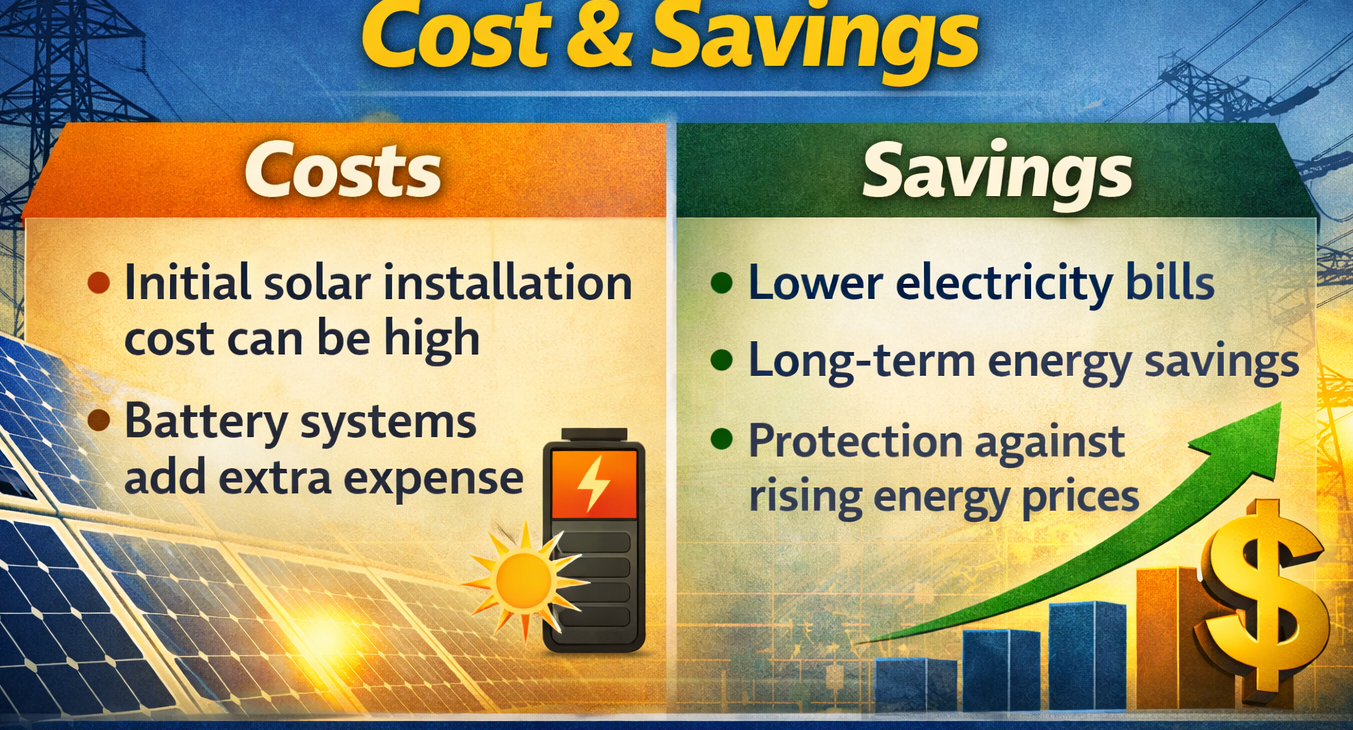
Costs
- Initial solar installation cost can be high
- Battery systems add extra expense
Savings
- Lower electricity bills
- Long-term energy savings
- Protection against rising energy prices
However, savings now depend heavily on how you use your energy.
How Net Metering Works With PG&E and SCE?
Major utilities like:
- PG&E (Pacific Gas & Electric)
- SCE (Southern California Edison)
offer net metering programs under NEM 3.0 rules.
Key points:
- Credits vary by utility
- Billing structure may differ
- Time-of-use plans are important
Always check your utility’s specific rates and policies.
What Is Virtual Net Metering in California?
Virtual Net Metering allows multiple users (like apartment residents) to share benefits from a single solar system.
This is useful for:
- Multi-family housing
- Community solar projects
It expands access to solar energy beyond single-family homes.
Step-by-Step Guide to Maximize Savings (2026)
Step 1: Understand Your Electricity Usage
Additionally, Review your last 12 months of electricity bills to determine your average monthly kWh consumption. Also, this helps you install the right system size and avoid overspending or underproduction.
Expert Tip: If you plan to buy an electric vehicle or electric heating system in the future, consider slightly increasing system size.
Step 2: Install the Right Solar System
Choose high-quality solar panels and the correct inverter type to ensure long-term performance. System design, roof direction, and installation quality all affect energy production and savings. As a result, working with a professional installer helps maximize efficiency and system lifespan.
Step 3: Add Battery Storage
Battery storage allows you to store excess solar energy produce during the day and use it at night. This reduces reliance on the grid and increases savings, especially under California’s latest net billing structure.
Step 4: Shift Energy Usage to Daytime
Use high-energy appliances such as washing machines, dishwashers, and EV chargers during 10 AM – 4 PM, when solar panels generate the most electricity. This helps reduce electricity purchases from the grid during expensive peak hours.
Step 5: Choose the Right Utility Plan
Overall, California utilities offer Time-of-Use (TOU) plans where electricity prices vary by time. Selecting a plan that matches your solar production hours can significantly improve long-term savings.
Downsides of Net Metering in California
- Lower export compensation
- Longer payback period
- Higher upfront costs with batteries
- More complex billing system
In addition, Despite these challenges, solar energy still provides long-term benefits.
Is Solar Still Worth It in California in 2026?
Solar is still worth it — but the strategy has change.
Best approach:
- Use more of your own solar energy
- Add battery storage
- Optimize energy usage
Homeowners who adapt to NEM 3.0 can still achieve significant savings.
Conclusion:
Finally, Net metering in California has evolve, and 2026 marks a shift in how solar energy delivers value. While earlier systems reward exporting electricity, the current approach focuses on using and storing your own energy.
Besides, homeowners who understand these changes and adapt their systems accordingly can still benefit from solar energy, reduce electricity costs, and gain more control over their power usage.
Frequently Asked Questions.
What is NEM 3.0 in California?
NEM 3.0 is the latest net metering policy that reduces the value of export solar energy and introduces time-base rates.
How much does net metering cost in California?
Costs vary depending on system size and whether you include battery storage, but upfront installation is the main expense.
What are California net metering rates in 2026?
Rates are lower than previous programs and depend on time-of-use pricing, with evening energy being more valuable.
Is net metering still beneficial?
But benefits now depend on self-consumption and battery usage rather than exporting energy.
What is the difference between NEM 2.0 and NEM 3.0?
NEM 2.0 offer higher compensation, while NEM 3.0 significantly reduces export rates and encourages energy storage.
Can I still save money with solar in California?
Especially if you use your energy efficiently and include battery storage.