
California Solar Incentives 2026: Tax Credits, Rebates & Savings Guide

California has long been a leader in solar energy adoption in the United States. With abundant sunshine, high electricity rates, and strong renewable energy policies, many homeowners continue to explore solar power as a way to reduce utility bills and increase energy independence.
If you’re considering going solar in 2026, understanding the available California solar incentives is essential. While some federal programs have change in recent years, California still offers several opportunities that can help homeowners maximize their solar investment.
In this guide, you’ll learn about California solar incentives, rebates, battery storage programs, property tax benefits, and how much money you may be able to save by installing a solar energy system.
What Are California Solar Incentives?
Solar incentives are financial programs design to encourage homeowners and businesses to adopt renewable energy systems.
These incentives can come in several forms:
- Tax credits
- Rebates
- Property tax benefits
- Utility-sponsored programs
- Battery storage incentives
- Net billing compensation
The primary goal is to lower the overall cost of installing solar panels and improve the return on investment for homeowners.
Overview of California Solar Incentives in 2026
California homeowners may benefit from several programs, including:
Available Incentives
- Self-Generation Incentive Program (SGIP)
- Property Tax Exclusion for Solar Systems
- DAC-SASH Program
- Utility Energy Storage Incentives
- Net Billing Programs
- Local Utility Rebates
Each program offers different benefits depending on your location, utility provider, and household income level.
Is There a California Solar Tax Credit in 2026?
California does not currently offer a state income tax credit specifically for residential solar installations. However, homeowners can still reduce costs through other incentives and savings programs available throughout the state.
While many people search for a California Solar Tax Credit most available financial benefits come from rebates, energy storage incentives, and property tax exclusions rather than a state tax credit.
California Property Tax Exclusion for Solar Energy Systems
Installing a solar energy system typically increases the value of a home.
Normally, when a property’s value increases, property taxes may increase as well.
Fortunately, California’s property tax exclusion allows homeowners to avoid additional property taxes resulting from the value added by a qualifying solar energy system.
Benefits
- No increase in assessed property value due to solar installation
- Potential long-term tax savings
- Higher home value without higher property taxes
For many homeowners, this benefit alone can save hundreds or even thousands of dollars over the life of a solar system.
Self-Generation Incentive Program (SGIP)
The Self-Generation Incentive Program (SGIP) remains one of California’s most valuable energy programs.
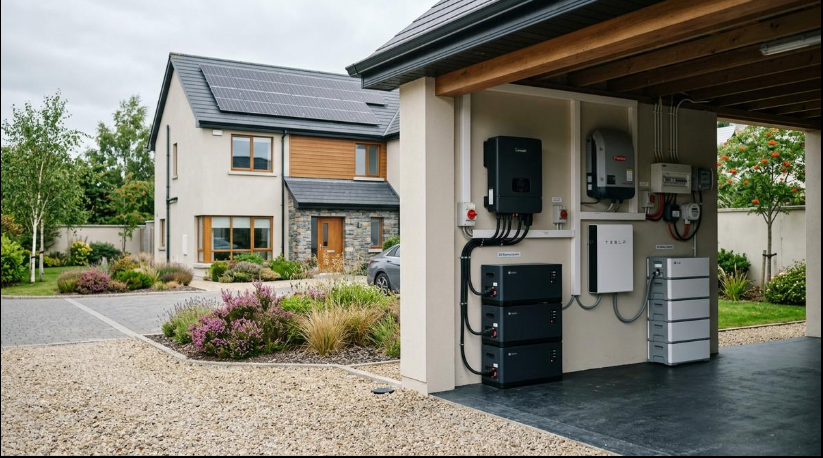
Rather than focusing on solar panels directly, SGIP helps reduce the cost of installing battery storage systems.
What SGIP Covers?
Eligible homeowners may receive incentives for:
- Home battery systems
- Backup power solutions
- Energy resilience projects
- Battery storage paired with solar
Why It Matters?
Battery storage has become increasingly important under California’s evolving energy policies.
A battery allows homeowners to:
- Store excess solar energy
- Reduce reliance on the grid
- Increase backup power during outages
- Improve solar savings
Many homeowners choose batteries such as Tesla Powerwall or Enphase IQ Battery to maximize energy independence.
DAC-SASH Program for Low-Income Homeowners
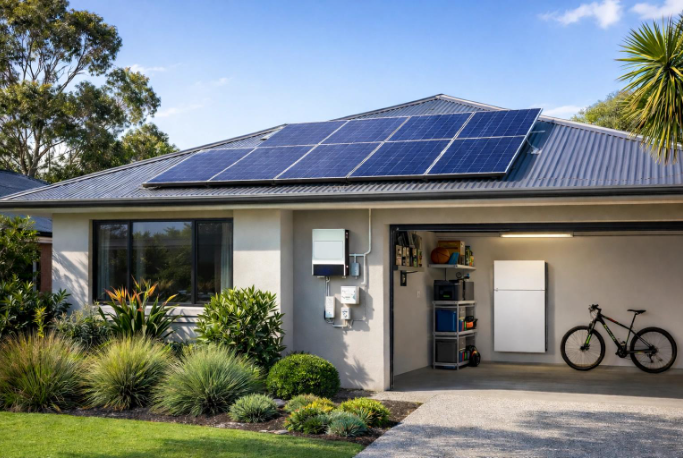
The Disadvantaged Communities – Single-Family Solar Homes (DAC-SASH) Program helps eligible low-income homeowners gain access to solar energy.
Program Benefits
Qualified households may receive:
- Upfront financial assistance
- Reduced installation costs
- Lower electricity bills
- Increased energy affordability
Eligibility
Requirements generally depend on:
- Household income
- Property ownership
- Geographic location
Homeowners living in disadvantage communities may qualify for additional assistance through this program.
How NEM 3.0 Affects Solar Savings?
California’s Net Energy Metering system has evolve significantly over the years.
Today, many homeowners operate under what is commonly refer to as NEM 3.0.
What Changed?
Under previous net metering rules, homeowners often receive higher compensation for excess electricity sent back to the grid. Current net billing structures typically provide lower export rates.
Impact on Homeowners
While solar still offers substantial savings, battery storage has become more important than ever.
Instead of exporting electricity to the grid, homeowners can:
- Store energy during the day
- Use store energy during evening peak hours
- Reduce utility purchases
This strategy can significantly improve overall system economics.
Utility-Specific Solar Programs
Different utility companies may offer additional incentives or programs.
Major California Utilities
- Pacific Gas and Electric (PG&E)
- Southern California Edison (SCE)
- San Diego Gas & Electric (SDG&E)
Depending on your provider, you may have access to:
- Demand-response programs
- Battery incentives
- Time-of-use optimization programs
- Energy efficiency rebates
Before installing a system, it’s a good idea to review your utility company’s current solar and battery offerings.
How Much Can California Homeowners Save With Solar?
Savings vary base on several factors.
Key Factors Affecting Savings
- Electricity usage
- Utility rates
- System size
- Roof orientation
- Battery storage
- Energy consumption habits
Example Scenario
A homeowner with a properly size solar system may significantly reduce monthly electricity expenses. In areas with high electricity prices, long-term savings can become substantial over the lifespan of the system.
Since solar panels often last 25 years or more, many homeowners view solar as a long-term investment rather than a short-term expense.
Are Solar Batteries Worth It in California?
Battery storage continues to gain popularity across California.
Benefits of Solar Batteries
- Backup power during outages
- Better use of solar energy
- Reduced grid dependence
- Improved savings under net billing rules
Popular Battery Options
Tesla Powerwall
Known for:
- High storage capacity
- Smart energy management
- Backup power capabilities
Enphase IQ Battery
Popular for:
- Scalability
- Advanced monitoring
- Integration with Enphase solar systems
For many California homeowners, batteries have become an important part of maximizing solar savings.
Is Going Solar Still Worth It in California in 2026?
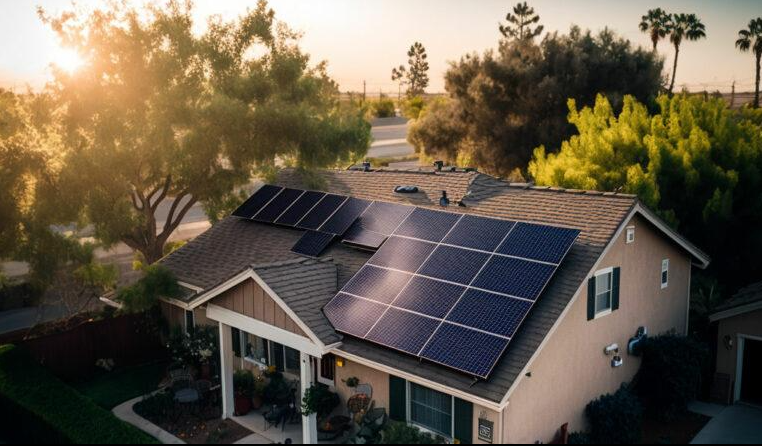
Despite policy changes and evolving utility structures, California remains one of the strongest solar markets in the United States.
Reasons Solar Still Makes Sense
- High electricity costs
- Strong sunlight availability
- Property tax benefits
- Battery incentives
- Long-term savings potential
Homeowners who combine solar panels with battery storage often achieve the best financial results. The exact return on investment will depend on system design, electricity usage, and available incentives.
Conclusion:
California continues to offer valuable solar incentives in 2026, even as the solar landscape evolves. While there may not be a dedicate state solar tax credit, programs such as SGIP, DAC-SASH, property tax exclusions, and utility-sponsored incentives can significantly improve the economics of going solar.
For homeowners looking to reduce electricity costs, increase energy independence, and prepare for future utility rate increases, solar energy remains a compelling investment. Pairing solar panels with battery storage can further enhance savings and maximize the value of available California solar incentives.
By understanding the programs available today, homeowners can make inform decisions and take full advantage of California’s transition toward a cleaner energy future.