
Do Solar Panels Work in California Fog and Clouds?
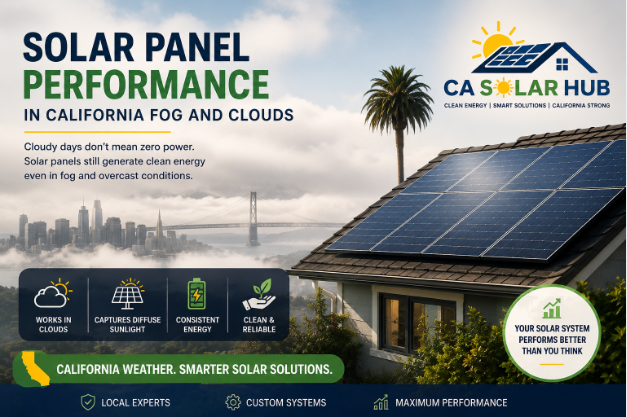
Coastal regions of California, including San Francisco, Monterey, and Santa Barbara, experience frequent marine fog for a significant portion of the year.
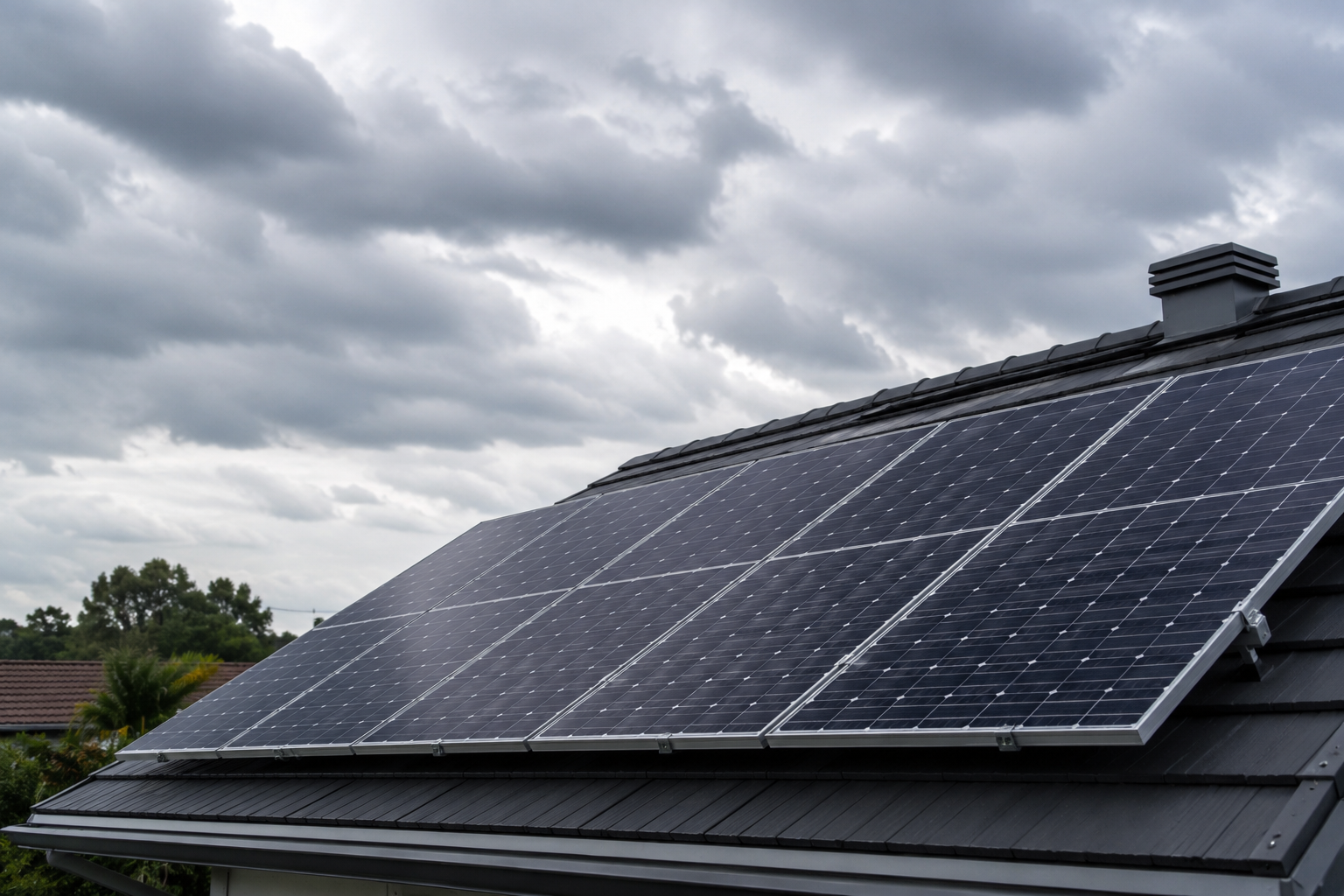
As a result, homeowners in these areas often ask a valid and important question before investing in solar energy. Solar panels continue to generate electricity even on cloudy or foggy days.
Though the underlying reasons involve specific principles of solar technology that every prospective California solar buyer should understand
How Solar Panels Actually Capture Sunlight?
Solar panels are made of photovoltaic cells that convert sunlight into electricity. Most people assume panels need direct, bright sunshine to function, but this is only partly true.
Photovoltaic cells respond to two types of light. Direct sunlight, which arrives in a straight line from the sun, and diffuse light, which is sunlight scatter by clouds, fog, or particles in the atmosphere.
On a foggy or overcast day, your panels are still receiving diffuse light, and modern solar cells are quite efficient at converting this scatter light into usable electricity. It is not as much power as a clear sunny day, but it is far from zero.
How Much Power Do Panels Lose in Fog?
Actual production numbers depend on fog density and duration, but general industry data offers a useful benchmark. On a day with light to moderate fog, solar panels typically produce between forty and eighty percent of their clear day output.
On days with dense, prolong fog, output can drop as low as ten to twenty five percent, but it rarely reaches absolute zero unless the fog is extremely thick and lasts the entire day light period.
Coastal cities like San Francisco experience what climatologists call the fog belt, drive by cold ocean currents meeting warm inland air. This fog often burns off by late morning or early afternoon, meaning many coastal homes still capture strong production during peak sun hours even after a foggy start.
Central Valley Tule Fog Is a Different Story
Coastal fog and Central Valley fog behave very differently. In cities like Fresno, Modesto, and Bakersfield, winter months bring what is locally known as tulle fog, a thick ground level fog that can linger for days without clearing.
This type of fog is denser and more persistent than coastal marine fog, and it can meaningfully reduce solar output during the winter season in these areas.
Homeowners in tulle fog prone regions should factor seasonal winter production dips into their system sizing conversations with their installer, ensuring the system is size to cover annual energy needs rather than just summer performance.
Temperature Actually Works in Your Favor
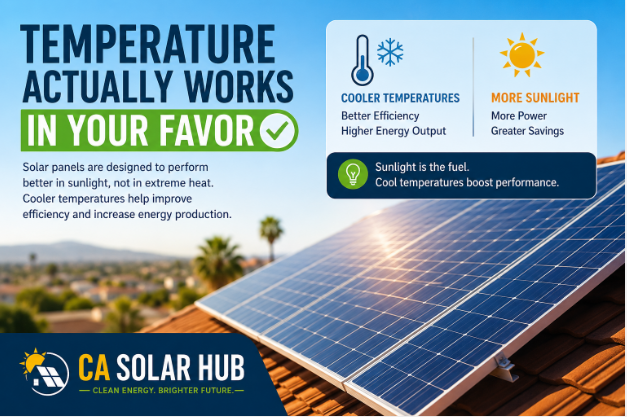
Here is something most homeowners do not expect. Solar panels lose efficiency as they get hotter, a phenomenon measure by what engineers call the temperature coefficient.
On extremely hot, cloudless days, panel efficiency can actually decline slightly due to heat buildup on the panel surface. Foggy and overcast days tend to be cooler, which partially offsets the reduce sunlight by allowing panels to operate closer to their rated efficiency.
This is why some cloudy but cool days can outperform expectations compare to a scorching hot but clear afternoon.
Equipment Choices That Improve Performance in Low Light
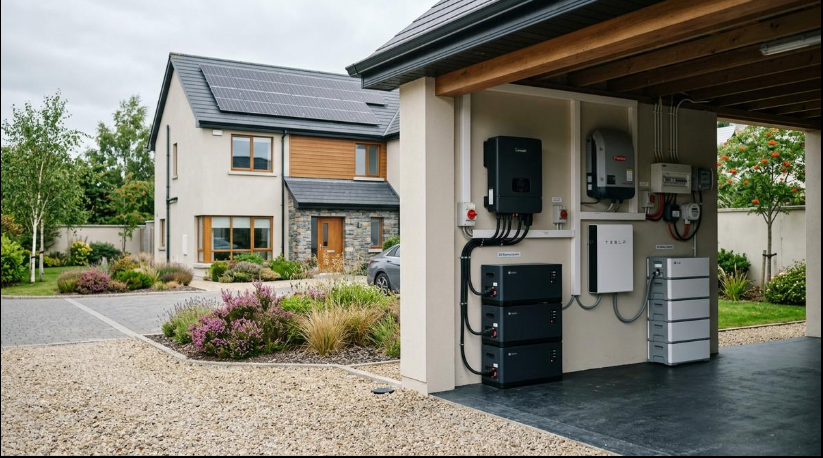
Not all solar equipment performs the same way in diffuse light conditions. Systems using microinverters or power optimizers, rather than a single central string inverter, tend to handle partial shading and inconsistent light better.
Each panel operates more independently, so if fog clears unevenly across your roof, panels already receiving stronger light are not held back by panels still under heavier cloud cover.
Homeowners in fog prone coastal areas should discuss micro inverter or power optimizer options with their installer, especially if roof orientation or nearby trees already create some natural shading throughout the day.
Why Annual Production Numbers Matter More Than Daily Ones?
A single foggy morning will not significantly impact your long term solar investment. What matters is annual kilowatt hour production, calculate using historical weather data, your roof angle, panel orientation, and local irradiance patterns.
Professional solar designers use decades of regional weather data, including average fog frequency, to model realistic annual output before your system is ever install.
This is why a well design system in San Francisco or Monterey can still deliver strong annual savings despite frequent fog, because the design already accounts for it rather than assuming constant sunshine.
Conclusion:
Fog and clouds do reduce solar panel output, but they do not shut production down entirely, and they should not be treated as a reason to avoid solar in coastal or valley regions of California.
Photovoltaic technology captures both direct and diffuse sunlight, cooler temperatures partially offset reduce light, and proper system design accounts for local weather patterns from the very beginning.
For most California homeowners, even in the foggiest neighborhoods, solar remains a financially sound and environmentally responsible investment.