
How Long Do Solar Panels Last on a Roof? Complete Guide to Solar Panel Lifespan.
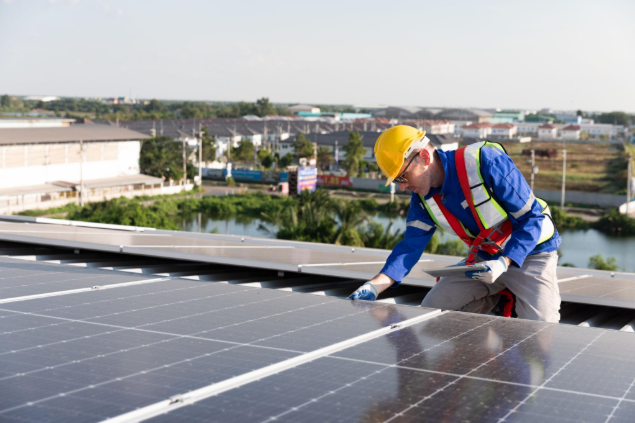
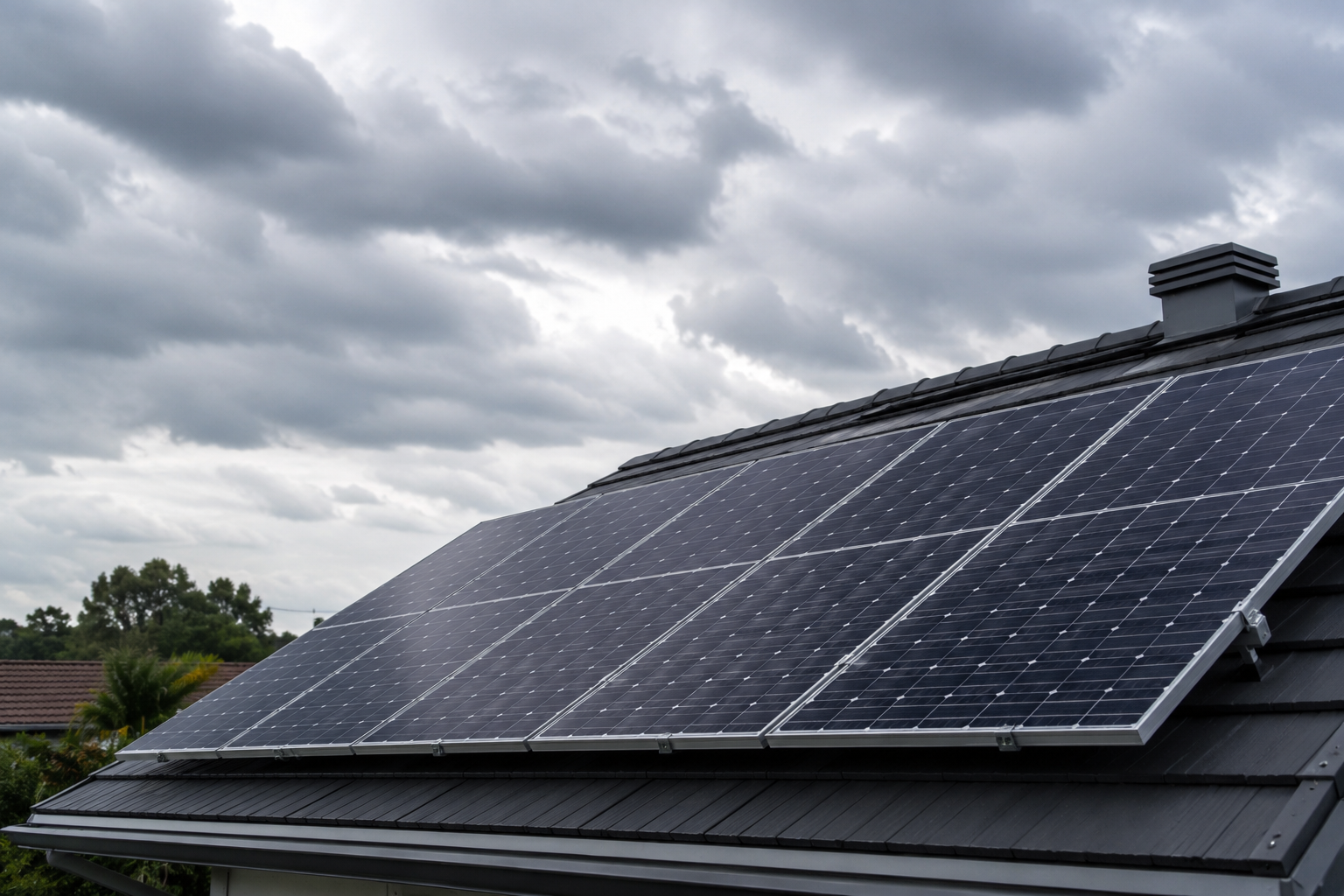
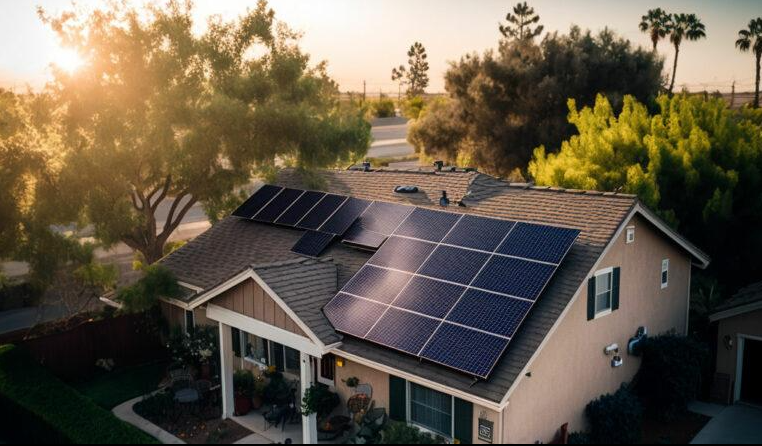
Installing solar panels is one of the biggest decisions homeowners make when moving toward clean energy and lower electricity costs. Most modern residential solar panels are designed to last between 25 and 30 years, but many systems continue producing electricity beyond that timeframe. With proper installation, regular maintenance, and quality equipment, solar panels can often remain productive for 35 years or more.
However, solar panels do not suddenly stop working after their warranty period ends. Instead, they gradually lose efficiency through a natural process call solar panel degradation. Understanding how solar panels age, what affects their lifespan, and when replacement makes financial sense can help homeowners protect their solar investment.
This complete guide explains everything you need to know about rooftop solar panel lifespan, warranties, maintenance, degradation, and replacement.
Average Lifespan of Residential Solar Panels
The average lifespan of residential solar panels depends on several factors, including panel quality, installation standards, environmental conditions, and maintenance.
Most modern solar panels follow this general performance timeline:
First 5 years:
Solar panels usually operate close to their original efficiency with minimal performance loss.
10 to 15 years:
The system continues working reliably, although minor efficiency reduction occurs due to natural aging.
25 years:
Most panels still produce significant electricity and remain financially valuable.
30 years and beyond:
Panels may produce less energy but can continue supporting household electricity needs. High quality photovoltaic panels are engineer to handle decades of outdoor exposure, including sunlight, rain, wind, and temperature changes.
Do Solar Panels Stop Working After 25 Years?
The 25 year period usually refers to the performance warranty provide by manufacturers. It means the company guarantees that the panels will continue producing a certain percentage of their original output.
For example, a manufacturer may guarantee that a solar panel will still operate at around 85 percent efficiency after 25 years. After that period, homeowners may continue using the same system if electricity production remains useful.
The decision to replace solar panels depends on factors such as:
- Current energy production
- Repair costs
- Electricity prices
- Availability of newer technology
- Overall system condition
Understanding Solar Panel Degradation Rate
Solar panel degradation is the gradual reduction in electricity production over time. Every solar panel experiences some level of degradation because materials naturally age after years of exposure to sunlight and weather conditions.
Most modern panels degrade at a rate of approximately 0.3 percent to 0.8 percent per year. This means a solar panel installed today may still produce a large amount of electricity decades later.
Several factors contribute to degradation:
Ultraviolet Exposure
Continuous sunlight exposure slowly affects the materials inside solar modules.
Temperature Changes
Repeated heating and cooling cycles can create stress on panel components.
Moisture Exposure
Water resistance protects panels, but long term moisture exposure can impact internal connections.
Physical Stress
Strong winds, heavy snow, hail, and debris can contribute to gradual wear.
Premium solar panels are design with protective materials to reduce these effects.
Solar Panel Performance After 10, 20, and 30 Years
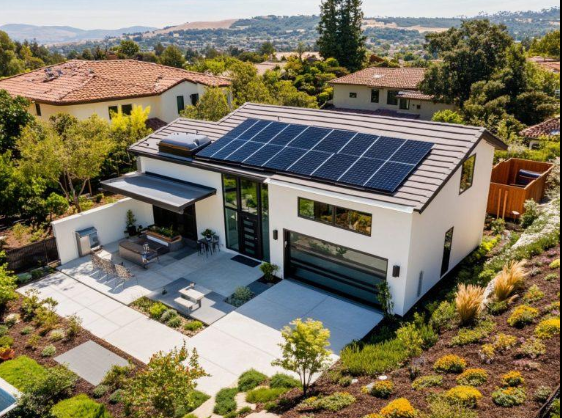
Solar panels do not lose their value quickly. Their performance gradually decreases over decades.
A typical high quality solar panel may perform approximately like this:
7 Factors That Affect How Long Solar Panels Last
Several important factors determine the lifespan of rooftop solar panels.
1. Solar Panel Quality and Technology
High quality panels from establish manufacturers usually provide better durability, stronger warranties, and lower degradation rates.
Modern monocrystalline solar panels are commonly use in residential installations because they offer excellent efficiency and long term performance.
Choosing the cheapest option may reduce upfront costs but can affect long term reliability.
2. Installation Quality
Professional installation plays a major role in solar panel lifespan.
A properly install system includes:
- Secure mounting equipment
- Correct electrical connections
- Proper panel alignment
- Adequate roof protection
- Weather resistant installation practices
Poor installation can create problems such as leaks, wiring issues, and reduce energy production.
3. Weather and Climate Conditions
Solar panels are design to survive outdoor conditions, but local climate affects long term performance.
Extreme environments may create additional stress, including:
- Heavy snowfall
- High temperatures
- Strong winds
- Coastal salt exposure
- Frequent hailstorms
Homeowners should select solar equipment suitable for their regional weather conditions.
4. Roof Condition Before Solar Installation
Installing solar panels on an old roof may create additional costs later because the panels may need to be remove when roof replacement becomes necessary.
Before installation, homeowners should consider:
- Roof age
- Roof material
- Expected roof lifespan
- Future repair needs
A strong roof helps maximize the value of a solar investment.
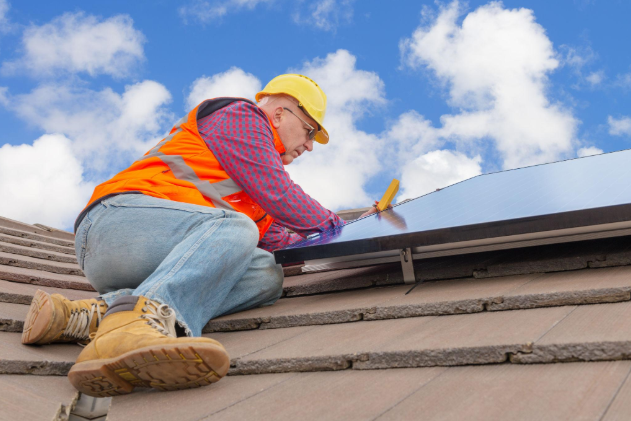
5. Solar Panel Maintenance
Solar panels require very little maintenance, but basic care can improve performance.
Recommend maintenance includes:
- Removing excessive dirt and debris
- Checking for visible damage
- Monitoring electricity production
- Inspecting system components periodically
Keeping panels clean allows more sunlight to reach the photovoltaic cells.
6. Shading and Environmental Factors
Trees, buildings, dirt, and nearby structures can reduce solar energy production.
Although shading does not usually damage solar panels, it can lower electricity output and reduce the financial benefits of your system.
Regular monitoring helps identify unexpect performance changes.
7. System Monitoring and Repairs
Modern solar systems often include monitoring technology that tracks electricity production.
Early detection of problems can prevent small issues from becoming expensive repairs.
Homeowners should pay attention to:
- Sudden energy production drops
- Error messages
- Inverter warnings
- Unusual system behavior
Does Your Roof Last as Long as Solar Panels?
A major consideration for homeowners is whether their roof will last as long as their solar system.
Different roofing materials have different lifespans.
Asphalt shingles:
Approximately 15 to 30 years depending on quality and climate.
Metal roofs:
Often 40 to 70 years.
Tile roofs:
Can last 50 years or more with proper maintenance.
If your roof is near the end of its expect lifespan, replacing it before solar installation may save money in the future.
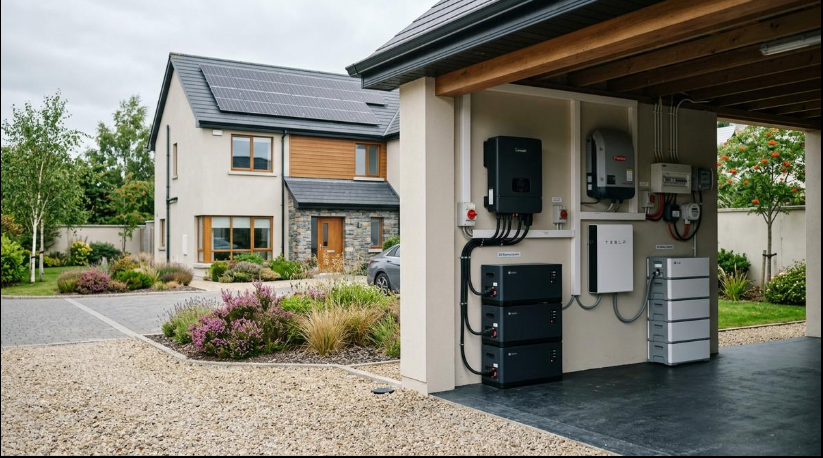
How Long Do Solar System Components Last?
Solar panels are only one part of a complete solar energy system.
Solar Inverters
Solar inverters usually last between 10 and 15 years. Because inverters convert solar energy into usable electricity, they experience more operational stress than panels.
Solar Batteries
Battery storage systems typically last between 8 and 15 years depending on technology and usage.
Lithium ion batteries are commonly use because of their improve cycle life.
Mounting Equipment
Solar mounting systems are design to last several decades because they are built from durable materials such as aluminum and stainless steel.
Solar Panel Warranty Explained
Solar manufacturers usually provide two major warranties.
Product Warranty
This covers manufacturing defects and equipment issues.
Many manufacturers offer product warranties ranging from 10 to 25 years.
Performance Warranty
This guarantees that panels will maintain a specific electricity output level over time.
Performance warranties commonly last 25 to 30 years.
Understanding warranties helps homeowners compare solar products before making a purchase.
Signs Your Solar Panels May Need Replacement
Solar panels usually decline slowly rather than suddenly failing.
Common signs include:
Lower Electricity Production
A noticeable decrease in energy output may indicate aging panels or system problems.
Physical Damage
Look for:
- Cracked glass
- Water damage
- Discoloration
- Damaged wiring
Frequent Repairs
If repair costs become higher than the value of electricity produce, replacement may be a better option.
Outdated Technology
Older solar panels may produce significantly less power compare to modern high efficiency models.
How to Extend the Life of Your Solar Panels?
Homeowners can maximize solar panel lifespan by following these practices:
- Choose high quality equipment
- Hire experienced installers
- Keep panels clean
- Monitor energy production
- Maintain surrounding trees
- Schedule professional inspections
- Address problems early
Proper care helps protect your solar investment for decades.
Are 30 Year Old Solar Panels Still Worth Keeping?
Older solar panels can still provide financial benefits if they continue producing electricity efficiently.
Replacing an older system only makes sense when:
- Energy production has significantly decline
- Repair costs are increasing
- New panels offer much higher efficiency
- Home energy needs have change
A professional solar evaluation can help determine whether repair, replacement, or continue operation is the best choice.
Conclusion:
Solar panels are design as long term energy investments. While they slowly lose efficiency over time, they continue producing clean electricity and helping homeowners reduce energy costs for decades.
Also, choosing quality equipment, installing the system correctly, maintaining your panels, and monitoring performance are the best ways to maximize your solar investment. A well design rooftop solar system is not just a purchase for today. It is an energy solution built to serve your home for generations.