Solar Panel Bakersfield Cost & Savings Guide 2026
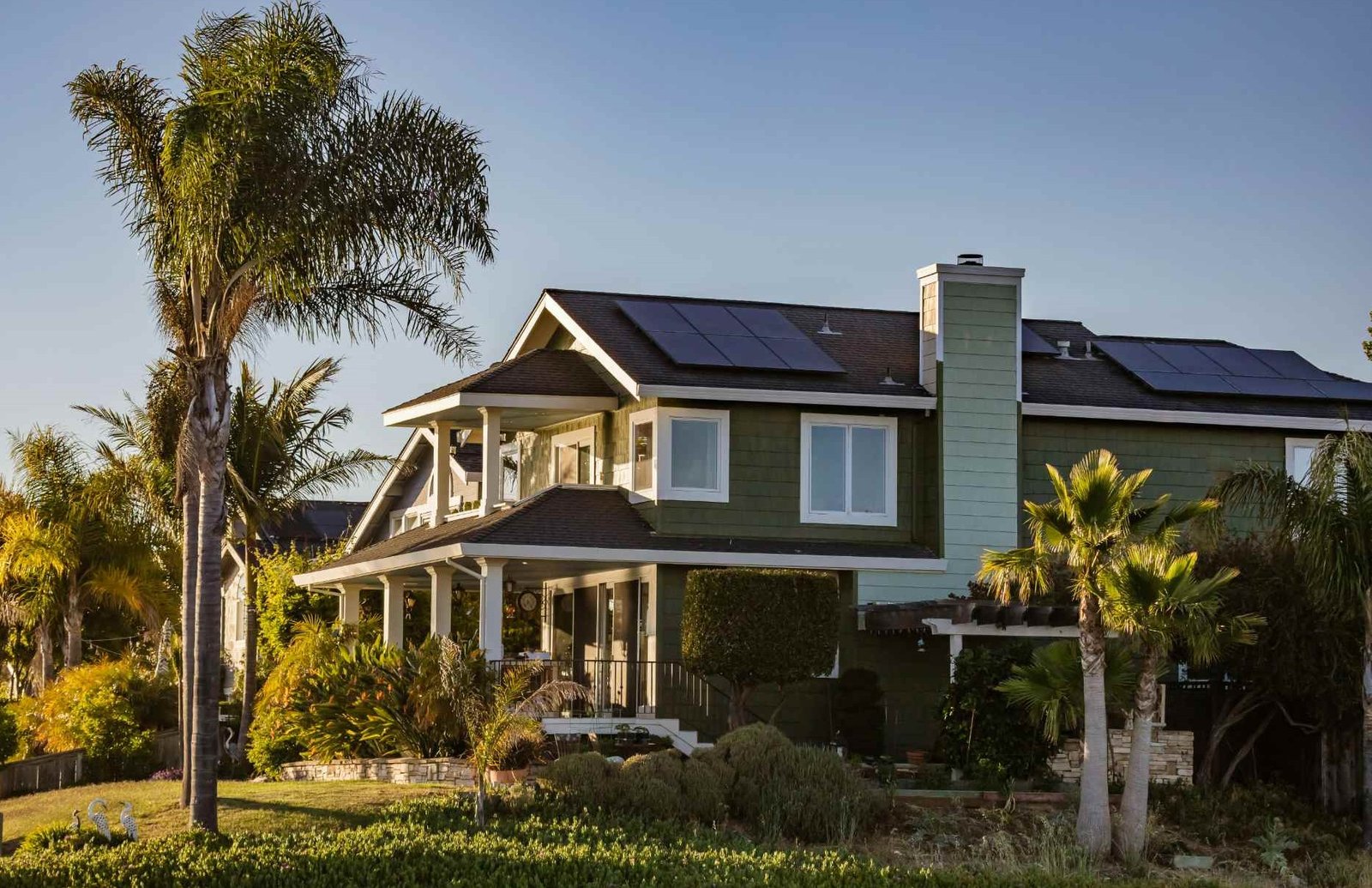
Bakersfield homeowners are paying some of the highest electricity rates in California, and those bills keep climbing. If you’ve been considering solar panels, 2026 is one of the best times to understand exactly what it costs, what you’ll save, and whether it makes sense for your home. This guide covers everything you need to know about Bakersfield solar panel installation, from real local pricing to available incentives and long-term savings.
Why Bakersfield Is One of California’s Best Cities for Solar?
Bakersfield sits in the San Joaquin Valley and receives approximately 2,052 hours of sunshine per year, well above the U.S. national average of 1,600 hours. With electricity rates at around 27.5 cents per kWh among the highest in the nation Bakersfield homeowners benefit significantly from solar energy.
More sun hours mean more energy produce per panel. Higher electricity rates mean every kilowatt-hour your panels generate is worth more in savings. These two factors together make Bakersfield an exceptionally strong market for residential solar investment.
On top of geography, California’s Solar Rights Act prevents homeowners associations (HOAs) from restricting residential solar panel installations, so most Bakersfield homeowners face no legal barriers to going solar.
Bakersfield Solar Panel Cost in 2026
Understanding the real cost of a solar panel system in Bakersfield starts with system size. Most homes don’t need the same setup, so costs vary base on your electricity usage, roof space, and energy goals.
As of April 2026, the average solar panel system costs $2.54 per watt including installation in Bakersfield. For a 10.43 kW system the average size for Bakersfield homes this comes out to about $26,455 before any available incentives, with prices ranging from $22,487 to $30,423.
Here’s a general breakdown by system size for Bakersfield in 2026:
6 kW System: Suitable for smaller homes or moderate electricity users. Estimate cost before incentives: approximately $16,800. After the 30% federal tax credit, cost drops to roughly $11,760. This system produces about 10,162 kWh per year and can save approximately $2,439 annually.
9–10 kW System: Most common size for average Bakersfield households. A 9.9 kW system costs $15,138 to $20,481 after the 30% federal tax credit, with an estimated payback period of just 3.2 years.
12+ kW System: For larger homes or high-consumption households. A 10.43 kW system ranges from $22,487 to $30,423 before incentives.
Bakersfield Solar Panel Cost: Key Factors That Affect Your Price
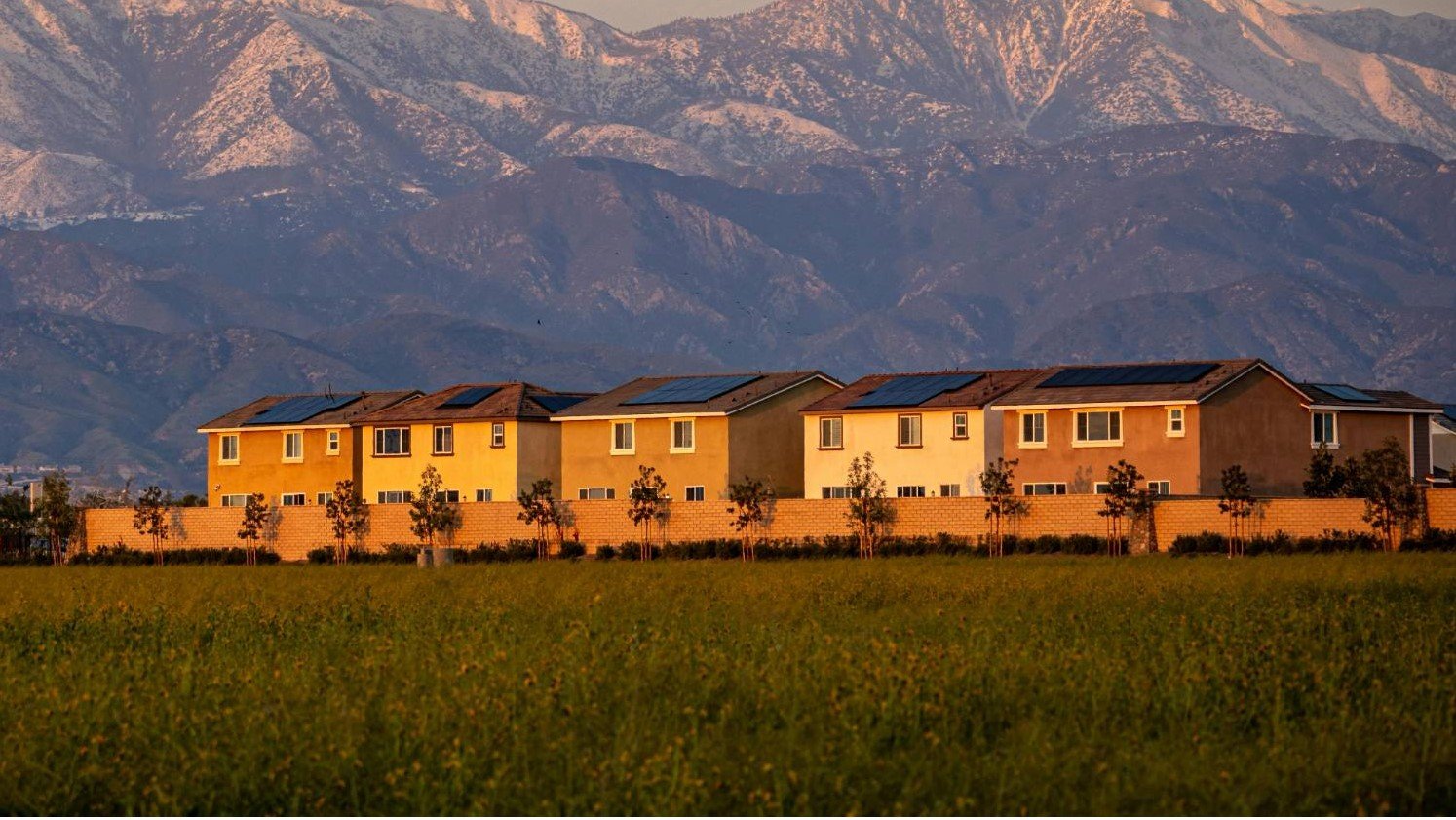
No two Bakersfield homes pay exactly the same for solar. Battery storage, electrical upgrades, financing terms, and roof complexity all influence the final cost of a solar installation.
System Size: The bigger the system, the higher the total cost, though the price per watt typically drops slightly as system size increases.
Panel Type: Monocrystalline panels are the most common and efficient option for residential installs. Polycrystalline panels carry a slightly lower price but are rarely use in modern home solar installations due to lower efficiency ratings.
Inverter Choice: String inverters or microinverters range from $1,000 to $2,500 depending on system size. Microinverters are prefer for roofs with partial shading.
Roof Condition: If your roof needs repair or replacement before installation, that adds to total project cost. License installers in Bakersfield will assess this during a site evaluation.
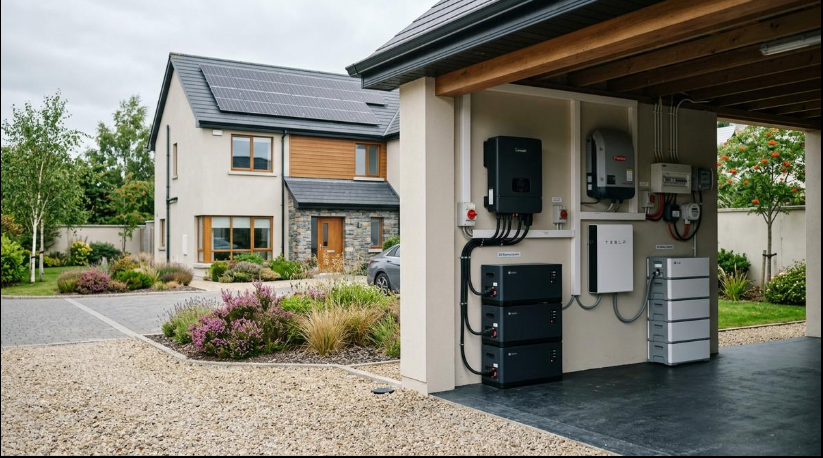
Battery Storage: Adding a battery increases upfront cost but can significantly improve energy control under California’s net billing rules. Given PG&E’s reduced net metering compensation rates, many Bakersfield homeowners are pairing solar with storage in 2026.
Solar Incentives Available to Bakersfield Homeowners
Federal Investment Tax Credit (ITC): The federal government offers a 30% tax credit on the total cost of your solar installation, available through 2032. For a 6 kW system costing $16,800, that is a credit of $5,040 applied directly to your federal taxes.
SGIP Battery Rebate: The Self-Generation Incentive Program (SGIP) provides incentives of up to $2.46 per watt for solar energy systems, particularly benefiting homeowners adding battery storage. Some programs prioritize customers in high fire-threat areas, medically vulnerable households, or income-qualify communities.
DAC-SASH Program: For eligible homeowners, the Disadvantage Communities Single-family Solar Homes (DAC-SASH) program, run by GRID Alternatives, offers no-cost rooftop solar installations for income-qualify homeowners in disadvantage communities.
Property Tax Exemption: In California, the add home value from a solar installation is exempt from property tax reassessment, meaning your taxes won’t increase because your home is worth more.
Net Metering (NEM): California’s net metering policy allows homeowners with solar panels to send excess energy into the grid in exchange for credits on their utility bills. However, recent policy changes mean lower compensation rates from PG&E. This is a key reason why battery storage is becoming more valuable in the Bakersfield market.
How Much Can You Save With Solar Panels in Bakersfield?
This is where Bakersfield truly stands out compare to other California cities. Homeowners in Bakersfield are expect to save an average of $161,922 over 25 years on electricity costs, after accounting for the upfront cost of an average-sized solar panel system.
On average, Bakersfield homeowners with solar panels can avoid $172,801 in total utility costs over 25 years. Even on a shorter timeline, the numbers are compelling. A 5 kW system in Bakersfield delivers roughly a 4-year payback period and saves approximately $43,850 over 20 years.
The reason Bakersfield savings are so strong comes down to two things working together: abundant sunshine producing maximum energy, and high PG&E electricity rates making every kilowatt-hour your panels generate worth more than in most other parts of the country.
Solar Payback Period in Bakersfield
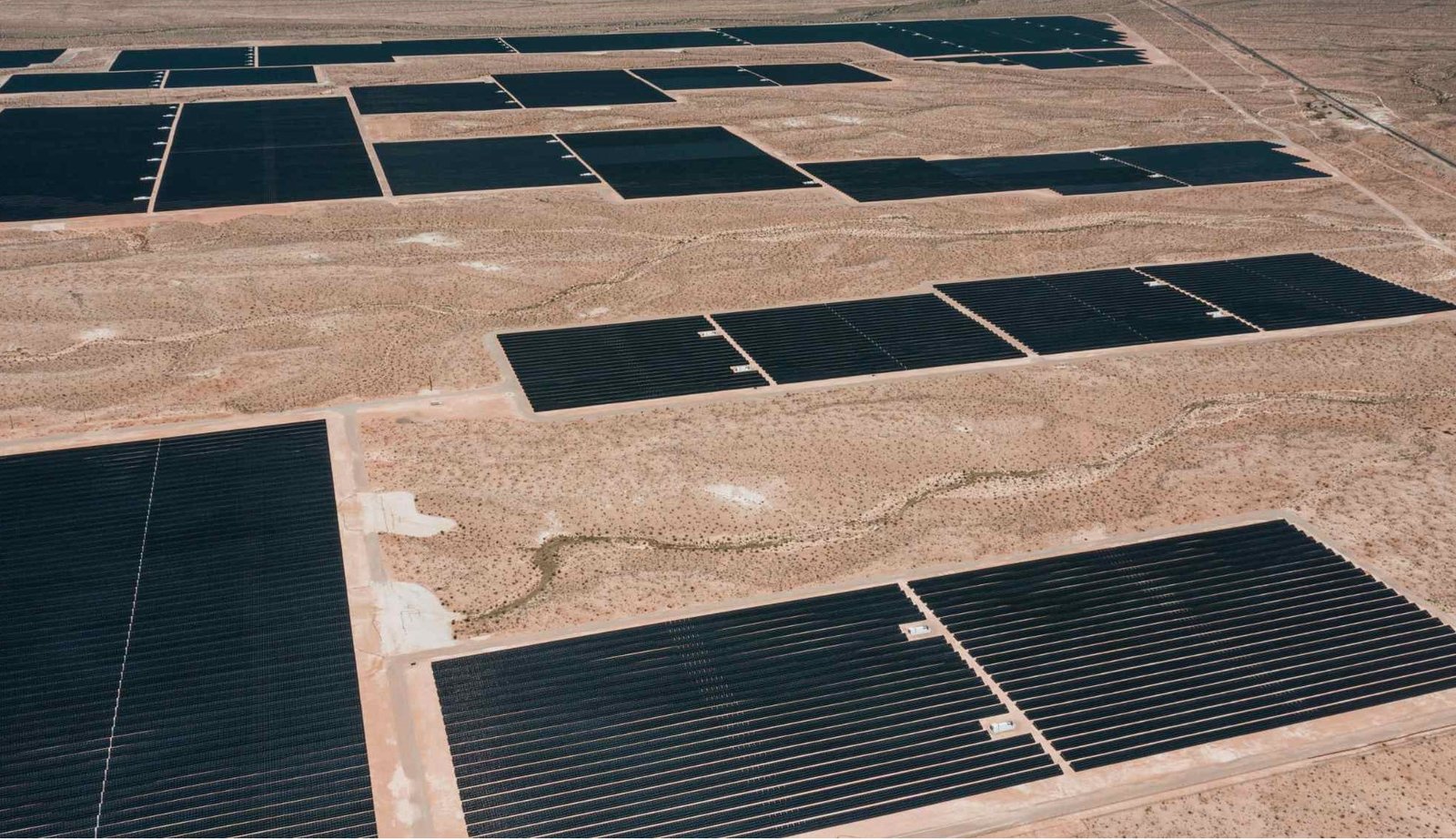
Bakersfield has one of the shortest solar payback periods in California. With 2,052 annual sunshine hours and the 30% federal tax credit, the average Bakersfield homeowner can expect a 3.2-year payback period on their solar investment.
After that payback point, your system produces essentially free electricity for the remaining 20+ years of its operational life. Standard solar panel efficiency rates range from 19% to 23%, and most modern panels carry 25-year warranties with real-world lifespans often exceeding 30 years.
Solar + Battery Storage in Bakersfield
Pairing solar panels with a home battery system is becoming the prefer approach for Bakersfield homeowners in 2026. Here’s why. California’s recent net metering policy changes mean lower compensation rates from PG&E. Consequently, adding a battery storage system to capture excess energy for use during peak hours can make solar more financially attractive.
Instead of sending midday solar power back to the grid at reduce rates, a battery stores that energy and powers your home during evening hours, when PG&E’s time-of-use rates are at their highest.
The result is more savings, greater energy independence, and backup power during outages. SGIP rebates can help offset the battery cost, making solar-plus-storage a financially sound combination for most Bakersfield households.
Is Solar Worth It in Bakersfield in 2026?
For the vast majority of Bakersfield homeowners, the answer is yes and the numbers back it up clearly. With over 2,000 sunshine hours per year, electricity rates among the highest in California, strong federal and state incentives, and payback periods as short as 3 to 4 years, Bakersfield is one of the most favorable solar markets in the United States.
The key is making sure your home qualifies a roof in good condition, south or west-facing exposure, and an electricity bill high enough to make the investment worthwhile. The average Bakersfield household needs a system with a capacity of about 5.9 kW to fully offset their electricity costs.
Getting multiple quotes from license local installers, comparing financing options, and understanding your PG&E rate plan are the most important steps before committing to a system.
Conclusion:
Solar Panel Bakersfield is one of the strongest solar markets in the entire United States and the numbers prove it. With over 2,000 sunshine hours per year, electricity rates among the highest in California, a 30% federal tax credit available through 2032, and payback periods as short as 3 years, going solar in Bakersfield is not just an environmental decision it is a smart financial one.
Whether you are a first-time solar shopper or comparing quotes from local installers, the most important step is getting a personalize estimate base on your actual PG&E bill, roof condition, and energy usage. For many Bakersfield homeowners in 2026, a typical residential solar panel system falls in the 6 to 10 kW range, with costs before incentives place roughly between $15,000 and $35,000 depending on system size, equipment, roof complexity, battery storage, and financing.
Frequently Asked Questions:
How much do solar panels cost in Bakersfield in 2026?
The average solar panel system costs $2.54 per watt including installation in Bakersfield. For a 10.43 kW system the average size for Bakersfield homes, this comes out to about $26,455 before any available incentives, with prices ranging from $22,487 to $30,423.
Is there a solar tax credit available for Bakersfield homeowners?
The federal solar investment tax credit is currently 30% of the value of the solar system and is claim on your taxes in the year after installation. Many people mistakenly call this the California solar tax credit, but it is actually a federal tax credit California itself does not offer a solar tax credit. It is available through 2032.
How long is the solar payback period in Bakersfield?
With 2,052 annual sunshine hours and the 30% federal tax credit, the average Bakersfield homeowner can expect a payback period of around 3.2 years. Larger systems or homes with lower electricity usage may see longer payback timelines.
How much can I save with solar panels in Bakersfield?
Homeowners in Bakersfield are expect to save an average of $161,922 over 25 years on electricity costs, after accounting for the upfront cost of an average-size solar panel system.
What size solar system do I need for my Bakersfield home?
The average Bakersfield household needs a system with a capacity of about 5.9 kW to fully offset their electricity costs. Higher-usage homes especially those running central AC, pools, or EV chargers typically need 8 to 12 kW systems.
Is my roof suitable for solar panels in Bakersfield?
A relatively slant roof with plenty of unshad space is best. The worst placement is on north-facing roofs, especially those with a high pitch. Bakersfield gets 5 to 7.5 peak sun hours every day, but heavy shading from trees or tall buildings can reduce system output significantly.
Should I add battery storage to my Bakersfield solar system?
Battery storage is especially important in California because the current net billing structure rewards homeowners for using more of their own solar energy instead of sending excess power back to the grid at lower export values. A battery can store midday solar energy and use it later in the evening when household demand and utility rates are higher.
What installer certifications should I look for in Bakersfield?
Before signing with a Bakersfield solar installer, check their NABCEP certification the gold standard in solar ask for production guarantees in writing, and verify they handle Kern County permitting. Also confirm your roof is in good condition, as a roof replacement after installation requires costly panel removal and reinstallation.