
Is Solar Energy Renewable? Facts, Benefits & FAQs
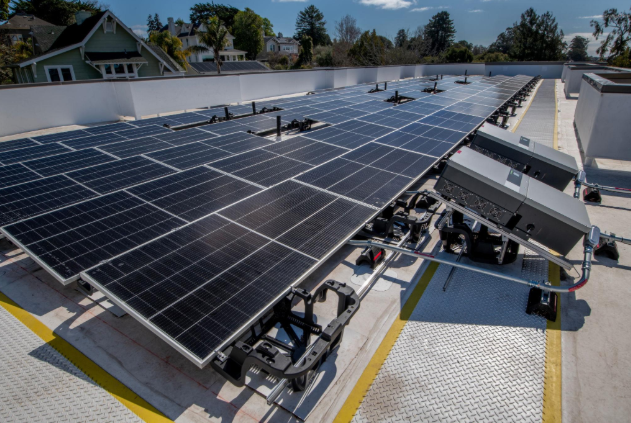
As energy costs continue to rise and climate concerns intensify, more homeowners and businesses across the United States are asking a crucial question: Is solar energy truly renewable?
Solar energy is one of the world’s most abundant and renewable energy sources. Unlike fossil fuels such as coal, oil, and natural gas, sunlight is naturally replenish and available every day.
In this guide, you’ll learn what makes solar energy renewable, how solar panels generate electricity, the benefits and limitations of solar power, and why it plays a major role in the future of clean energy.
What Is Renewable Energy?
Renewable energy comes from natural sources that replenish themselves over time without being deplete.
Common renewable energy sources include:
- Solar energy
- Wind energy
- Hydropower
- Geothermal energy
- Biomass energy
These resources regenerate naturally and produce significantly fewer greenhouse gas emissions compare to fossil fuels. Solar power stands out because sunlight is available almost everywhere, making it one of the most accessible clean energy options.
Is Solar Energy Renewable?
Solar energy is renewable because it comes from the sun, which continuously produces energy through nuclear fusion. Scientists estimate that the sun has enough energy to continue shining for billions of years. Every hour, the Earth receives more solar energy than the entire global population consumes in a year.
Unlike coal, oil, and natural gas, solar energy does not run out when use. As long as the sun rises each day, solar panels can generate electricity. This unlimite availability is what makes solar energy a truly renewable resource.
Why Is Solar Energy Consider Renewable?
Solar energy meets all the criteria of renewable energy because:
1. It Is Naturally Replenished
The sun constantly emits energy that reaches the Earth’s surface every day.
2. It Does Not Deplete Resources
Using solar power today does not reduce the amount of sunlight available tomorrow.
3. It Produces Clean Electricity
Solar panels generate electricity without burning fossil fuels or releasing carbon dioxide during operation.
4. It Supports Long-Term Sustainability
Solar energy helps reduce dependence on limite natural resources while promoting energy independence.
How Do Solar Panels Work?
Solar panels convert sunlight into electricity using photovoltaic (PV) cells.
Here’s how the process works:
Step 1: Sunlight Hits the Solar Panels
Solar panels absorb sunlight through photovoltaic cells made from semiconductor materials, typically silicon.
Step 2: Electrons Become Energized
The sunlight excites electrons inside the solar cells, creating an electric current.
Step 3: Direct Current (DC) Is Produced
The movement of electrons generates direct current electricity.
Step 4: The Inverter Converts Electricity
An inverter converts DC electricity into alternating current (AC), which powers homes and businesses.
Step 5: Electricity Powers Your Property
The generated electricity can be use immediately, store in batteries, or sent back to the utility grid. Learn more about solar system components in our Solar Panel Installation Guide (Link).
Is Solar Energy Sustainable?
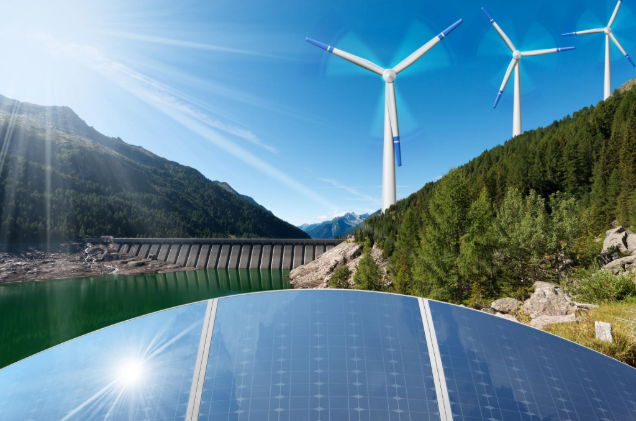
While renewable and sustainable are often use interchangeably, they are not exactly the same.
- Renewable energy: refers to resources that naturally replenish.
- Sustainable energy: considers environmental, economic, and social impacts over the long term.
Solar energy is both renewable and highly sustainable because it:
- Reduces carbon emissions
- Conserves natural resources
- Lowers air pollution
- Supports energy independence
- Creates green jobs
However, sustainability also depends on responsible manufacturing, recycling, and disposal of solar equipment.
Benefits of Solar Energy
Solar power offers several advantages for homeowners, businesses, and communities.
Lower Electricity Bills
Generating your own electricity reduces dependence on utility companies and lowers monthly energy costs.
Explore cost-saving options in our Guide to Solar Incentives and Tax Credits .
Reduced Carbon Footprint
Solar energy produces clean electricity without greenhouse gas emissions during operation.
Energy Independence
Solar systems reduce reliance on fossil fuels and unstable energy markets.
Low Maintenance Costs
Most solar panels require minimal maintenance and can last 25 to 30 years. Read our Solar Panel Maintenance Checklist for expert tips.
Increased Property Value
Homes with solar installations often attract more buyers and may sell at higher prices.
Job Creation
The renewable energy sector continues to create thousands of jobs across manufacturing, installation, engineering, and maintenance.
Are There Any Limitations to Solar Energy?
Although solar energy is renewable, it does have some limitations.
Weather Dependency
Solar panels generate less electricity during cloudy days or storms.
Intermittent Energy Production
Solar systems only produce electricity when sunlight is available.
Battery storage solutions can help overcome this challenge.
Learn about energy storage in our Best Solar Battery Guide .
Upfront Installation Costs
Initial installation costs can be significant, although incentives and financing options make solar more affordable.
Space Requirements
Larger energy demands require more roof or ground space for solar panels. Despite these challenges, advances in solar technology continue to improve efficiency and affordability.
Solar Energy vs Fossil Fuels
| Feature | Solar Energy | Fossil Fuels |
|---|---|---|
| Renewable | Yes | No |
| Carbon Emissions | Very Low | High |
| Fuel Costs | Free Sunlight | Continuous Expense |
| Resource Availability | Abundant | Limited |
| Environmental Impact | Minimal | Significant |
| Maintenance | Low | Moderate to High |
This comparison highlights why solar energy is becoming a prefer energy source worldwide.
The Future of Solar Energy in the United States
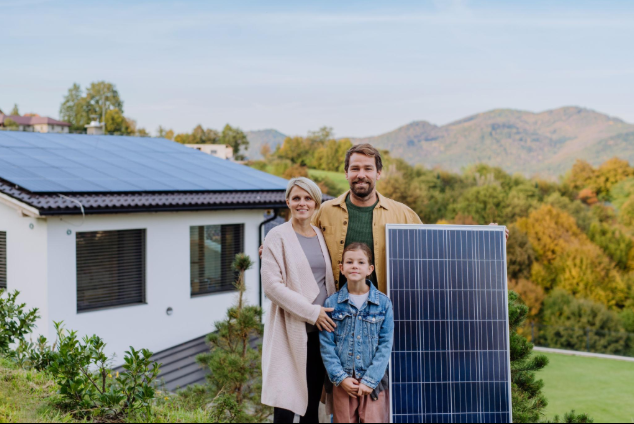
The U.S. solar industry continues to expand rapidly due to:
- Falling equipment costs
- Government incentives
- Increased environmental awareness
- Improvements in battery storage
- Rising electricity prices
States such as California, Texas, Florida, Arizona, and North Carolina are leading solar adoption.
Innovations like smart grids, high-efficiency panels, and solar battery systems are making renewable energy more practical for homeowners and businesses.
Explore future trends in our Latest Solar Technology Innovations (Link).
Conclusion:
Solar energy is one of the most reliable, abundant, and environmentally friendly renewable resources available today. Because sunlight naturally replenishes and does not diminish through use, solar power provides a sustainable alternative to fossil fuels.
Although factors such as weather conditions, storage requirements, and upfront costs can affect adoption, technological advancements continue to make solar energy more efficient and affordable.
For homeowners and businesses in the United States, investing in solar energy is not only a smart financial decision but also an important step toward a cleaner and more sustainable future.