Why Are Electricity Bills Getting So High in the USA?
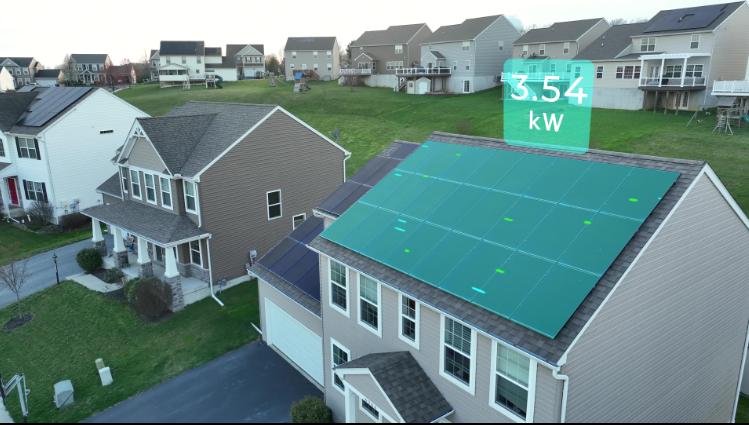
For millions of American homeowners, electricity bills have become a growing financial burden. Rising energy demand, aging power infrastructure, extreme weather events, and increasing utility rates have driven monthly electricity expenses to record highs.
In addition, many households are paying hundreds of dollars each month just to keep their homes comfortable. Air conditioning during summer, electric heating in winter, smart appliances, home offices, electric vehicle charging, and entertainment systems all contribute to higher energy consumption.
The challenge is that utility companies can increase rates over time, leaving consumers with little control over their monthly costs. Even energy-efficient homes can experience unexpected bill increases due to changes in local utility pricing structures.
Also, according to industry trends, electricity rates across many U.S. states have risen significantly over the past decade. As a result, homeowners are actively searching for sustainable and cost-effective alternatives that provide long-term protection against rising energy expenses.
Solar Energy as a Long-Term Financial Asset
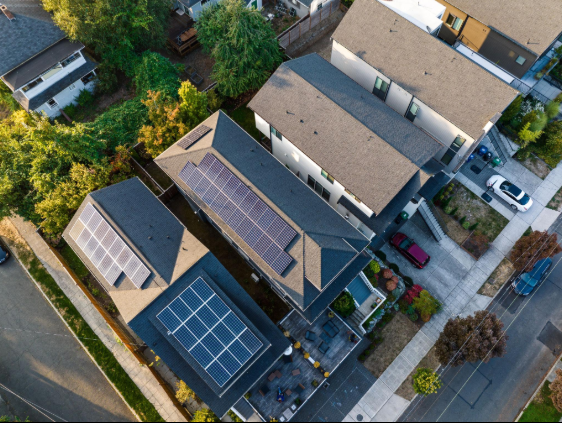
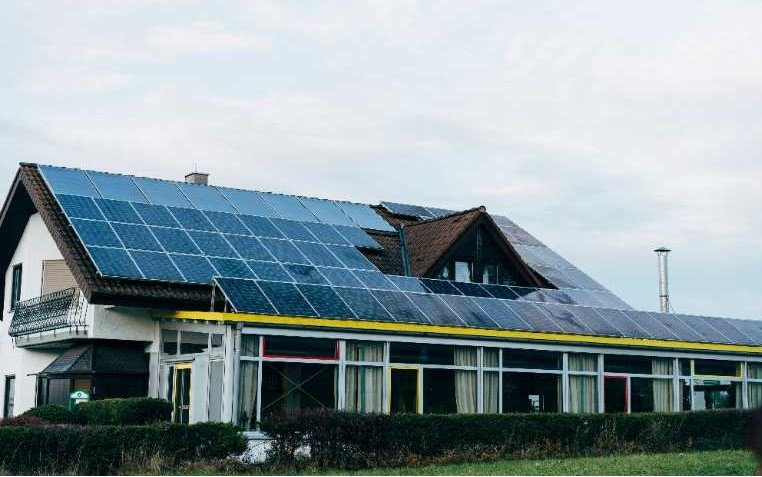
Solar energy has evolve from an environmental choice into a powerful financial strategy. Instead of purchasing electricity exclusively from the utility grid, homeowners can generate their own clean energy using rooftop solar panels.
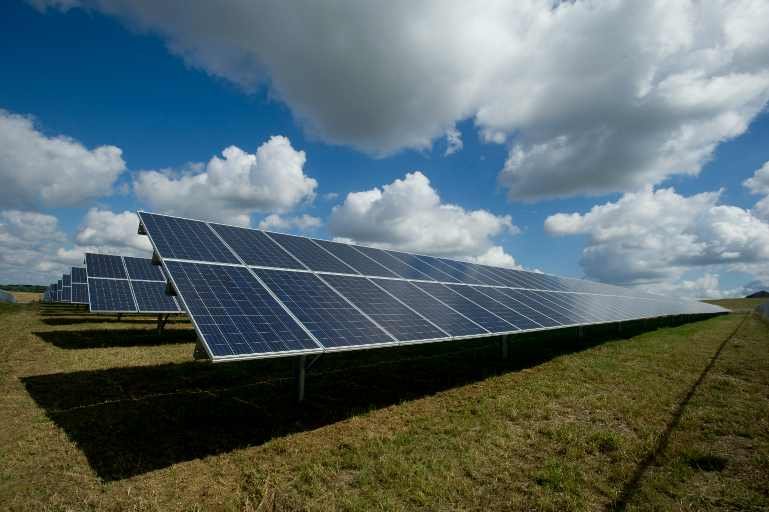
Modern solar systems convert sunlight into usable electricity, allowing households to offset a substantial portion of their energy consumption. This reduces dependence on utility providers and helps stabilize monthly energy expenses.
What makes solar particularly attractive in the United States is the combination of:
- Federal solar tax incentives
- State-level rebate programs
- Net metering opportunities
- Increased home value
- Long-term electricity savings
Unlike traditional energy sources, sunlight is free. Once a solar system is installed, homeowners gain access to a renewable energy source that can continue producing electricity for 25 years or more.
Finally, Solar energy is no longer just about environmental responsibility. It has become a practical investment that helps families reduce expenses while increasing energy independence.
How Solar Energy Works? A Simple Explanation
Many homeowners assume solar technology is complicate, but the concept is actually straightforward.
Step 1: Solar Panels Capture Sunlight
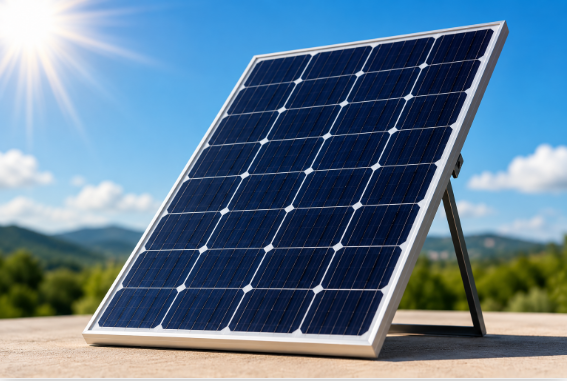
Solar panels installed on the roof contain photovoltaic (PV) cells. These cells absorb sunlight and convert it into direct current (DC) electricity.
Step 2: The Inverter Converts Power
Homes use alternating current (AC) electricity. A solar inverter converts the DC electricity generate by the panels into AC electricity that can power household appliances.
Step 3: Your Home Uses Solar Power First
When solar panels produce electricity, your home consumes that energy before drawing power from the utility grid.
Step 4: Excess Energy Goes to the Grid
During sunny periods, solar systems often generate more electricity than the home needs. Through net metering programs, excess electricity can be sent back to the utility grid in exchange for energy credits.
Step 5: Grid Power Acts as Backup
At night or during periods of low sunlight, homes can still access electricity from the grid. Some homeowners also install battery storage systems to store excess solar energy for later use.
Thus, think of a solar system as a personal power plant on your roof. Instead of relying entirely on external electricity providers, you produce a significant portion of your own energy.
Solar Energy Cost Breakdown in the USA
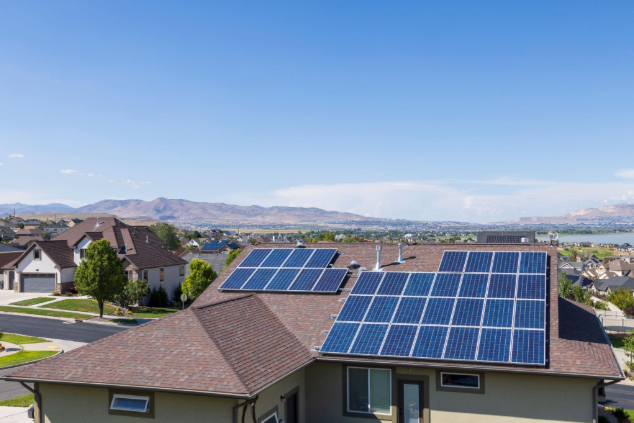
One of the most common questions homeowners ask is: “How much does solar actually cost?“
The answer depends on factors such as location, roof size, electricity usage, equipment quality, and installation complexity.
Typical Residential Solar System Costs
| System Size | Average Cost Before Incentives |
|---|---|
| 4 kW | $10,000 – $14,000 |
| 6 kW | $15,000 – $21,000 |
| 8 kW | $20,000 – $28,000 |
| 10 kW | $25,000 – $35,000 |
Key Cost Components:
Solar Panels (40–50%)
Panels represent the largest portion of the system cost and determine overall energy production.
Inverter (10–15%)
The inverter converts solar energy into usable household electricity.
Installation Labor (15–25%)
Professional installation ensures system efficiency, safety, and compliance with local regulations.
Mounting Equipment (5–10%)
These structures secure the solar panels to the roof.
Permits and Inspection Fees (5–10%)
Local governments often require permits and inspections before activation.
Federal Tax Credit Advantage
However, eligible homeowners may qualify for federal solar tax incentives that significantly reduce the net installation cost. This can improve return on investment and shorten the payback period.
Estimated Savings: How Much Can You Really Save?
The most exciting aspect of solar energy is the long-term financial benefit.
Let’s consider a realistic example.
Example Household
- Monthly electricity bill: $200
- Annual electricity cost: $2,400
- Solar system offset: 85% of energy usage
Annual Savings
If the solar system offsets 85% of electricity consumption:
- Potential annual savings: approximately $2,040
- Remaining utility cost: approximately $360
10-Year Savings Projection
Assuming electricity rates continue rising:
- Estimated savings after 10 years: $20,000–$30,000+
25-Year Savings Projection
Most solar panels are designed to operate efficiently for 25 years or longer.
Potential lifetime savings can exceed:
- $50,000
- $75,000
- Even $100,000+ in high-electricity-cost regions
Additional Financial Benefits:
Increased Property Value
Homes equipped with solar systems often attract buyers seeking lower operating costs and energy efficiency.
Protection Against Utility Rate Hikes
Every future increase in electricity rates can make solar-generated energy more valuable.
Lower Carbon Footprint
Moreover, while financial savings are the primary motivation for many homeowners, solar energy also reduces greenhouse gas emissions and dependence on fossil fuels.
States with Strong Solar Savings Potential
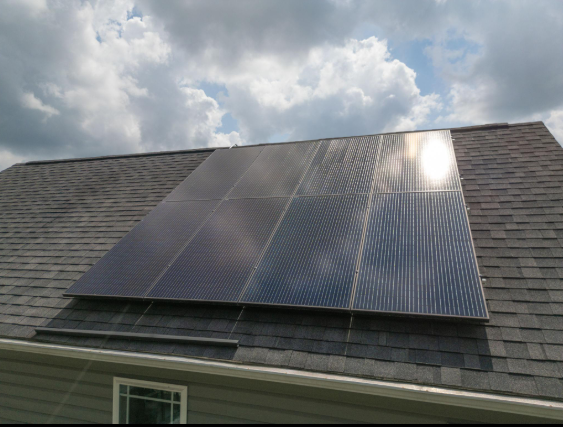
Homeowners in areas with high electricity prices and strong sunlight conditions often see the fastest returns, including:
- California
- Texas
- Florida
- Arizona
- Nevada
- North Carolina
However, solar can provide meaningful savings in many parts of the United States, not just sunny regions.
Conclusion:
For homeowners looking to reduce electricity bills, solar energy has become one of the most practical long-term investments available. Instead of remaining vulnerable to utility rate increases year after year, solar allows households to generate their own electricity, lower monthly expenses, and build long-term financial resilience.
The combination of renewable energy production, tax incentives, net metering opportunities, and decades of electricity savings makes solar an increasingly attractive option for American families.
Similarly, while the upfront investment may seem significant, the long-term benefits often outweigh the initial cost. A properly designed solar system can provide decades of predictable energy production, lower utility bills, and greater energy independence. As electricity prices continue to rise across the United States, homeowners who adopt solar today position themselves for substantial future savings.
FAQs:
1. How much can solar energy reduce my electricity bill in the USA?
Most homeowners can reduce their electricity bills by 50% to 90%, depending on energy consumption, system size, sunlight availability, and local utility rates.
2. Is solar energy worth it in 2026?
Rising electricity prices, federal tax incentives, and long-term savings continue to make solar energy a valuable investment for many U.S. homeowners.
3. How much does it cost to install solar panels in the USA?
The average residential solar installation typically costs between $15,000 and $35,000 before incentives, depending on system size and location.
4. How long does it take for solar panels to pay for themselves?
Most homeowners reach solar payback within 6 to 12 years, depending on installation costs, incentives, and electricity savings.
5. Do solar panels increase home value?
Studies show that homes with solar energy systems may attract buyers and potentially sell for higher prices than comparable non-solar homes.
6. How many solar panels does an average home need?
Most U.S. homes require between 15 and 30 solar panels, depending on electricity usage and panel efficiency.
7. What maintenance do solar panels require?
Solar panels generally require minimal maintenance, including occasional cleaning and routine inspections to ensure optimal performance.
8. Is solar energy better than relying entirely on the power grid?
Solar energy can reduce dependence on utility companies, lower monthly expenses, and provide greater protection against rising electricity rates.