Solar Panel Cost Long Beach 2026 Complete Guide
Long Beach homeowners are dealing with one of the most expensive electricity markets in the United States. Southern California Edison rates have cross 30 cents per kWh in 2026, and with summer cooling loads pushing monthly bills well above $200 for many households, the financial case for solar has never been more straightforward.
Long Beach also sits in one of California’s sunniest urban corridors average around 280 sunny days per year with approximately 5.7 peak sun hours daily. That combination of high electricity rates and strong sun exposure makes solar panel installation Long Beach one of the smartest home investments available to local homeowners right now. This guide breaks down exactly what solar panels cost in Long Beach in 2026, what incentives are available, and what you can realistically expect to save.
What Does Solar Panel Installation Cost in Long Beach in 2026?
The average Long Beach solar panel cost in 2026 sits at approximately $2.50 to $2.85 per watt before incentives. For most Long Beach households, system sizes range from 6 kW to 12 kW depending on monthly electricity consumption.
Here is a practical cost breakdown by system size:
6 kW System: Best for smaller homes or households using 550 to 700 kWh per month. Total cost before incentives: approximately $15,000 to $17,100. After the 30% federal tax credit: roughly $10,500 to $11,970. This system size comfortably offsets most of the electricity needs for a 1,200 to 1,500 square foot Long Beach home.
8 to 9 kW System: The most common size for average Long Beach households consuming 800 to 1,000 kWh monthly. Total cost before incentives: approximately $20,000 to $25,650. After the 30% federal tax credit: roughly $14,000 to $17,955. This range suits the majority of single-family homes in Long Beach neighborhoods like Bixby Knolls, Belmont Shore, and Signal Hill.
10 to 12 kW System: Suited for larger homes, high-consumption households, or homeowners adding EV charging or battery storage. Total cost before incentives: approximately $25,000 to $34,200. After the 30% federal tax credit: roughly $17,500 to $23,940.
Key Factors That Affect Solar Panel Cost in Long Beach
Not every Long Beach home pays the same price for solar. Several variables shape your final installation quote.
Roof Age and Condition: Long Beach has a large inventory of homes built between the 1940s and 1970s. Older roofs may need repair or partial replacement before solar installation adding $3,000 to $8,000 to total project cost depending on scope. Any reputable installer will flag this during the initial site assessment.
Shading and Roof Orientation: South and southwest-facing roofs produce the most energy in Southern California. Homes with mature trees, neighboring structures, or significant east-west roof orientation may produce less than average, affecting both system sizing and payback period. Microinverters Long Beach installations are often recommend for roofs with partial shading, as they optimize each panel independently rather than limiting output to the weakest panel.
Panel Efficiency: Premium monocrystalline panels with 21% to 23% efficiency ratings produce more power per square foot important for Long Beach homeowners with limited usable roof space. Higher efficiency comes at a slightly higher per-watt cost but reduces the number of panels need to hit your energy goals.
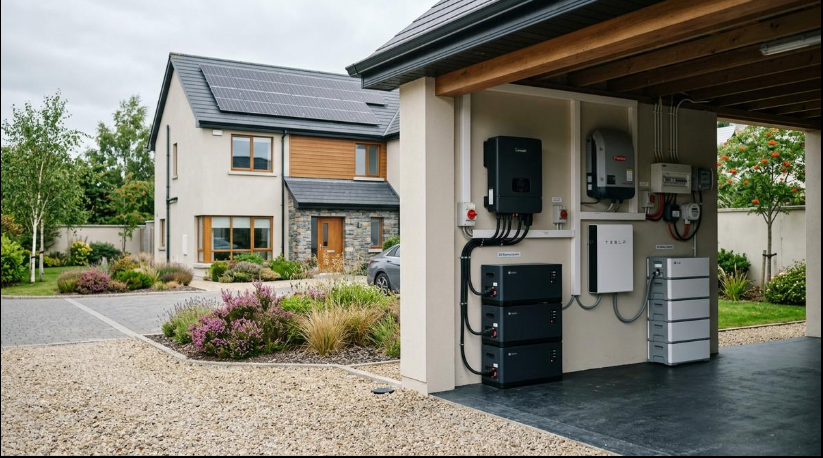
Battery Storage: Adding a home battery system increases upfront cost by $8,000 to $18,000 depending on capacity. Under Southern California Edison’s time-of-use rate structure where peak evening electricity costs considerably more than midday rates solar battery storage Long Beach pays for itself faster than in markets with flat-rate billing. Storing midday solar energy and using it during peak hours is the highest-value strategy for Long Beach households in 2026.
Permitting and Interconnection: Long Beach has its own municipal permitting process for residential solar. License installers manage this process and include fees in their quote. SCE interconnection fees are generally modest but vary base on system size and utility zone.
Solar Incentives Available to Long Beach Homeowners
Federal Investment Tax Credit: The 30% federal ITC remains the most powerful financial incentive available to Long Beach solar panel buyers in 2026. It applies to the full install system cost panels, inverter, labor, and battery storage if included and is claim on your federal tax return the following year. The credit is available through 2032. On a $22,000 system, that equals $6,600 directly reducing your tax bill.
SGIP Battery Rebate: California’s Self-Generation Incentive Program provides rebates for battery storage systems pair with solar. Long Beach homeowners in income-qualify brackets or high fire-risk areas may access enhance rebate tiers. This program significantly reduces the net cost of solar battery storage Long Beach installations.
DAC-SASH Program: Income-qualify homeowners in designate disadvantage communities within Long Beach may qualify for no-cost or heavily subsidize solar through GRID Alternatives’ DAC-SASH program. Eligibility depends on income thresholds and census tract designation.
Property Tax Exemption: California law shields qualifying solar installations from property tax reassessment. A solar panel installation Long Beach adding $20,000 in home value will not increase your annual property tax bill the exclusion applies to systems complete before January 1, 2027.
NEM 3.0 Net Billing: Long Beach homeowners connect to SCE export excess solar power back to the grid under California’s update net billing program. Export compensation rates under NEM 3.0 are lower than the previous policy, averaging $0.04 to $0.08 per kWh depending on export time. This shift makes self-consumption through battery storage more financially attractive than grid export for most Long Beach solar energy households in 2026.
How Much Can Solar Save Long Beach Homeowners?
Southern California Edison’s rate structure combine with Long Beach’s strong sun exposure creates one of the most favorable savings environments for residential solar in California.
A properly sized 8 to 9 kW system covering 90% of a Long Beach home’s electricity needs generates annual savings of approximately $2,500 to $3,400 in avoided SCE costs, base on current rate levels. Over 25 years factoring in modest annual electricity rate increases total lifetime savings for most Long Beach homeowners land in the $95,000 to $135,000 range after the full system cost is net out.
Homeowners who add battery storage and optimize usage under SCE’s time-of-use structure consistently push toward the higher end of that savings range. Avoiding peak-hour grid electricity which can cost $0.45 per kWh or more under certain SCE rate tiers adds meaningful value year over year.
Solar Payback Period in Long Beach
For an own Long Beach solar panel system with the 30% federal tax credit apply, the average payback period falls between 5 and 7 years. Homes with higher SCE bills, favorable roof orientation, and minimal shading regularly land at the 5-year end of that range.
Long Beach’s 280 sunny days and 5.7 daily peak sun hours mean panels produce close to their rate output for the majority of the year. Unlike Northern California markets that lose production to winter fog or rain, Long Beach solar systems generate consistently strong output year-round shortening payback timelines and increasing total lifetime energy production.
After payback, your system delivers free electricity for the remaining 18 to 25 years of its operational life. Most modern panels carry 25-year performance warranties with real-world lifespans regularly exceeding 30 years.
Conclusion:
Solar panel cost Long Beach in 2026 ranges from approximately $15,000 to $34,200 before incentives depending on system size translating to $10,500 to $23,940 after the 30% federal tax credit. For most Long Beach households, an 8 to 9 kW system costing $20,000 to $25,650 before incentives is the right fit, with a payback period of 5 to 7 years and lifetime savings that can reach $100,000 or more.
Long Beach checks every box that makes solar a sound financial decision high electricity rates, abundant sunshine, strong federal incentives, and a net billing environment that rewards homeowners who invest in battery storage alongside their panels.
The next step is getting a proper site assessment and at least three quotes from NABCEP-certify Long Beach solar installers. Understanding your SCE rate plan, roof condition, and monthly usage will determine exactly where your numbers land and how quickly your investment starts paying you back.
Frequently Asked Questions:
What is the average solar panel cost in Long Beach in 2026?
The average solar panel cost Long Beach in 2026 is approximately $2.50 to $2.85 per watt before incentives. For an 8 to 9 kW system the most common size for Long Beach households total cost ranges from $20,000 to $25,650 before incentives, dropping to $14,000 to $17,955 after the 30% federal tax credit.
How long is the solar payback period in Long Beach?
Most Long Beach homeowners with purchased systems see a Long Beach solar payback period of 5 to 7 years. Homes with high SCE bills, south-facing roofs, and minimal shading consistently reach payback at the shorter end of that range.
What solar incentives are available in Long Beach?
Long Beach homeowners qualify for the 30% federal Investment Tax Credit, California’s SGIP battery rebate, the DAC-SASH program for income-qualify homeowners, and a full property tax exemption on solar-add home value all available in 2026.
Should I add battery storage to my Long Beach solar system?
For most Long Beach homeowners in 2026, yes. SCE’s time-of-use rate structure makes solar battery storage Long Beach a high-value addition storing midday solar energy and deploying it during expensive peak evening hours delivers far more savings than exporting to the grid at NEM 3.0’s reduce rates.
Will solar panels increase my property taxes in Long Beach?
California’s Active Solar Energy System Exclusion prevents Long Beach solar installation from triggering a property tax reassessment for systems complete before January 1, 2027.
How do I choose a reliable solar installer in Long Beach?
Look for NABCEP-certified Long Beach solar installers with strong local reviews, written production guarantees, and experience with LA County and Long Beach municipal permitting. Always collect at least three quotes before signing any agreement.