Solar Panel Cost Oakland: 2026 Full Price Guide
Oakland is one of the few American cities where going solar is not just an environmental choice. It is a financially obvious one. PG&E electricity rates in the Bay Area have cross 31 cents per kWh in 2026, nearly double the national average. Meanwhile, Oakland sits in a unique geographic sweet spot far enough inland to avoid the heavy coastal fog that reduces solar production in San Francisco.
Yet still benefits from the Bay Area’s mild, panel-friendly climate. If you are an Oakland homeowner seriously considering solar, this guide provides the real numbers: what systems cost, what you will save, and what factors determine whether solar is the right move for your specific home.
Why Oakland Is a Strong Solar Market in 2026?
Before diving into costs, it helps to understand why Oakland performs so well for residential solar. Oakland averages 260 sunny days per year with approximately 5.6 peak sun hours daily. That is a meaningful advantage over neighboring coastal cities like San Francisco or Daly City, where afternoon fog regularly cuts into solar production. More sunlight hours means more kilowatt-hours produce per panel and more kilowatt-hours means faster payback and higher lifetime savings.
Combine that sun exposure with PG&E’s time-of-use rate structure, where electricity can cost over 40 cents per kWh during evening peak hours, and every kilowatt-hour your panels generate carries real financial weight. Oakland homeowners are not just reducing a modest utility bill they are offsetting one of the most expensive electricity markets in the country.
Solar Panel Cost in Oakland in 2026: Real Numbers by System Size
The average residential solar system in Oakland in 2026 costs approximately $2.48 to $2.80 per watt before incentives, depending on equipment quality, installer, and roof complexity.
Here is what that looks like across common system sizes:
6 kW System: Suitable for smaller Oakland homes or households using 600 to 700 kWh per month. Total cost before incentives: approximately $16,800 to $17,500. After the 30% federal tax credit: roughly $11,760 to $12,250. This size covers most of the electricity needs for a 1,200 to 1,500 sq ft home.
8 to 9 kW System: The most common size for average Oakland households using 800 to 1,000 kWh monthly. Total cost before incentives: approximately $19,800 to $25,200. After the 30% federal tax credit: roughly $13,860 to $17,640. This is the system size that makes the most financial sense for the majority of Oakland homeowners.
10 to 12 kW System: Best for larger homes, households with electric vehicles, or those adding battery storage. Total cost before incentives: approximately $24,800 to $33,600. After the 30% federal tax credit: roughly $17,360 to $23,520.
Factors That Affect Your Oakland Solar Panel Cost
Several variables influence what you will actually pay for solar in Oakland and understanding them helps you evaluate quotes accurately.
Roof Condition and Complexity: Oakland’s older housing stock means many homes have roofs that need inspection before installation. A roof requiring repair or partial replacement before solar adds to your total project cost. Steep pitches, multiple levels, or significant shading from mature trees also increase installation labor.
Panel Efficiency and Brand: Higher-efficiency monocrystalline panels produce more power per square foot, which matters on smaller Oakland rooftops. Premium efficiency panels cost more per watt but may be the only way to hit your energy offset goals if roof space is limit.
Inverter Selection: Oakland neighborhoods with mature tree canopy often deal with partial shading across sections of the roof. In those cases, microinverters or DC power optimizers outperform standard string inverters by managing each panel independently but they add to upfront cost.
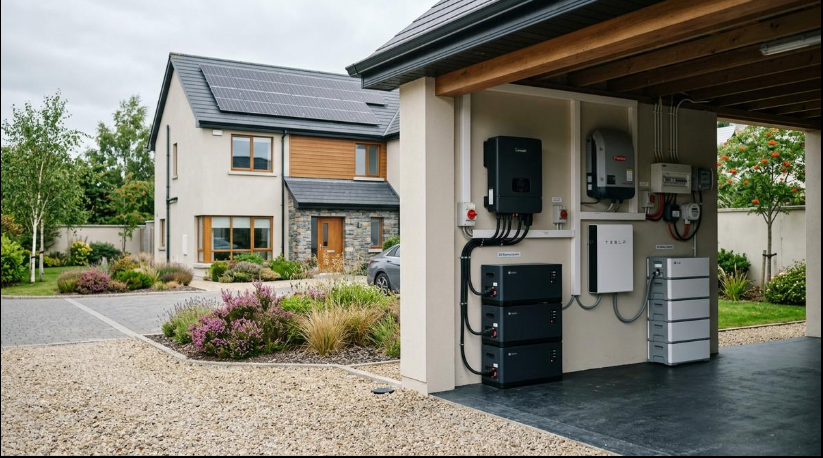
Battery Storage Addition: Adding a home battery system increases total project cost by $8,000 to $18,000 depending on capacity. Given PG&E’s current net billing policy which pays significantly less for export solar power than in previous years battery storage has become a high-value addition for Oakland homeowners who want to maximize self-consumption.
Permit and Interconnection Fees: Oakland has its own permitting process for solar installations. License installers include these fees in their quotes, but it is worth confirming upfront. Interconnection fees from PG&E are typically modest but vary by system size.
Solar Incentives Available to Oakland Homeowners
Federal Investment Tax Credit (ITC): The 30% federal tax credit remains the most impactful incentive for Oakland homeowners in 2026. It applies to the full install system cost including labor, panels, inverter, and battery storage if applicable. The credit is claim on your federal tax return the year after installation and is currently available through 2032. For a $22,000 system, that equals $6,600 directly off your tax bill.
SGIP Battery Storage Rebate: California’s Self-Generation Incentive Program offers rebates for home battery systems pair with solar. Oakland homeowners in qualifying income brackets or high fire-threat zones may receive enhance rebate amounts. This program meaningfully reduces the net cost of adding storage to your solar system.
DAC-SASH Program: Income-qualified homeowners in designated disadvantage communities within Oakland may be eligible for heavily subsidize or no-cost solar installations through GRID Alternatives. Eligibility is base on income thresholds and location worth checking before assuming you need to pay full price.
SOMAH Program: Oakland multifamily property owners and managers can access the Solar on Multifamily Affordable Housing program for eligible buildings. Funding collections continue through mid-2026 with incentive availability project through 2032.
Property Tax Exemption: California law excludes qualifying solar installations from property tax reassessment. Installing a $22,000 solar system will not increase your Oakland property tax bill the add home value is fully shield from reassessment for systems complete before January 1, 2027.
NEM 3.0 Net Billing: Oakland homeowners export excess solar energy to the PG&E grid under California’s update net billing program. Export compensation rates are lower than under the previous NEM 2.0 policy, averaging $0.05 to $0.08 per kWh depending on time of export. This makes self-consumption storing energy in a battery rather than exporting it the smarter financial strategy in 2026.
How Much Will Solar Save an Oakland Homeowner?
Oakland’s electricity rate is the single biggest driver of solar savings. At 31 cents per kWh and rising every kilowatt-hour your panels produce instead of buying from PG&E is genuinely valuable.
A well-sized 8 to 9 kW system covering 90% of an Oakland home’s electricity needs saves approximately $2,400 to $3,200 per year in avoided utility costs, depending on household usage patterns and PG&E rate tier. Over 25 years accounting for modest annual electricity rate increases total savings for most Oakland homeowners land in the $90,000 to $130,000 range after netting out the full system cost.
Homes that add battery storage and fully optimize their self-consumption under PG&E’s time-of-use rate structure can push annual savings even higher reducing or eliminating exposure to the most expensive peak evening rate periods.
Solar Payback Period in Oakland
For an owned solar system in Oakland with the 30% federal tax credit applied, the average payback period falls between 5 and 7 years. Homes with higher electricity bills, south or west-facing roofs, and minimal shading consistently land at the shorter end of that range.
After payback, your system produces essentially free electricity for the remaining 18 to 25 years of its operational life. Modern solar panels carry 25-year performance warranties, and actual lifespans regularly exceed 30 years with routine monitoring and occasional inverter replacement.
The compounding effect of rising electricity rates works strongly in solar homeowners’ favor. Each year PG&E increases rates which it does consistently the annual savings your system delivers grow alongside it.
Is Solar Worth It in Oakland in 2026?
For the vast majority of Oakland homeowners, yes and the fundamentals are strong. High electricity rates, solid sun exposure, a meaningful federal tax credit, strong state programs, and a housing market that rewards solar-equippe homes all point in the same direction.
The most important step before committing is getting a proper site assessment and multiple quotes from license Bay Area installers. Your roof condition, shading situation, PG&E rate plan, and monthly usage all determine whether your numbers look closer to the conservative or optimistic end of the ranges in this guide.
Conclusion:
Solar panel cost in Oakland in 2026 sits at approximately $2.48 to $2.80 per watt before incentives translating to $16,800 to $25,200 for most residential systems before the federal tax credit. After applying the 30% ITC, most Oakland homeowners bring their net cost into the $11,700 to $17,600 range, with payback periods of 5 to 7 years and lifetime savings that can exceed $100,000.
Oakland’s combination of strong sun exposure, among the highest electricity rates in the country, and a robust stack of federal and state incentives makes it one of California’s most compelling solar markets. Whether you are a first-time solar shopper or actively comparing installer quotes, the numbers here give you a realistic baseline for evaluating your options.
Getting three or more quotes from NABCEP-certified Oakland installers, reviewing your PG&E rate plan, and assessing whether battery storage Oakland makes sense for your household are the three steps that will define your solar outcome in 2026.
Frequently Asked Questions:
1. What is the average solar panel cost in Oakland in 2026?
The average Oakland solar panel cost in 2026 is approximately $2.48 to $2.80 per watt before incentives. For an 8 to 9 kW system the most common size for Oakland households total cost before incentives ranges from $19,800 to $25,200. After the 30% federal tax credit, net cost falls to approximately $13,860 to $17,640.
2. What solar incentives are available in Oakland?
Oakland homeowners qualify for the 30% federal Investment Tax Credit, California’s SGIP battery rebate, the DAC-SASH program for income-qualified homeowners, SOMAH for multifamily properties, and a full property tax exemption on the add home value from solar all available in 2026.
3. How long is the solar payback period in Oakland?
Most Oakland homeowners with purchase systems see a solar payback period Oakland of 5 to 7 years, depending on system size, roof orientation, shading, and electricity usage. Homes with high PG&E bills and favorable roof conditions consistently fall at the shorter end.
5. How much does a 6 kW solar system cost in Oakland?
A 6 kW solar system Oakland costs approximately $16,800 to $17,500 before incentives. After the 30% federal tax credit, net cost drops to roughly $11,760 to $12,250 making it a practical entry point for smaller Oakland households.
6. Does Oakland get enough sun for solar to make sense?
Yes. Oakland averages 260 sunny days and 5.6 peak sun hours per day well above the national average and significantly better than coastal Bay Area cities affected by afternoon fog. Oakland solar energy production is consistent and strong year-round.
7. Will solar panels raise my property taxes in Oakland?
No. California’s Active Solar Energy System Exclusion prevents solar panel installation Oakland from triggering a property tax reassessment. Your taxes will not increase due to the add home value, for systems complete before January 1, 2027.
8. Should I add battery storage to my Oakland solar system?
For most Oakland homeowners in 2026, adding solar battery storage Oakland makes strong financial sense. PG&E’s NEM 3.0 net billing pays reduced rates for exported solar power, so storing midday energy in a battery and using it during peak evening hours when PG&E rates are highest delivers significantly more value than sending it back to the grid.
9. How do I find a reliable solar installer in Oakland?
Look for NABCEP-certified Oakland solar installers with verifiable local reviews, written production guarantees, and experience handling Alameda County permitting. Always get at least three quotes before signing any contract.