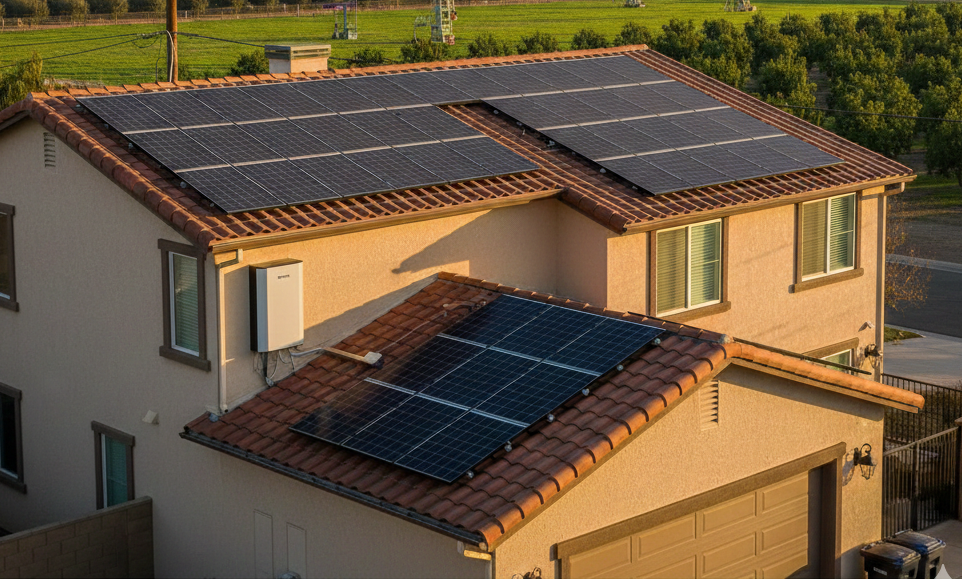
Solar energy has become a major part of the clean energy transition across the United States, and nowhere is that more evident than in California. With rising electricity prices, strong sunshine levels, and supportive renewable energy policies, many homeowners are asking a critical question: Are solar panels worth it in California?
The answer depends on several factors, including electricity costs, system installation price, state policies, and your household’s energy usage. While solar panels were once an obvious financial win in California, recent policy changes, such as Net Energy Metering (NEM 3.0), have altered how homeowners earn savings from their solar systems.
In this comprehensive guide, we’ll break down the real numbers behind solar energy in California in 2026. You’ll learn about installation costs, potential savings, incentives, policy updates, and how to determine whether solar is a smart investment for your home.
Are Solar Panels Worth It in California?
First, solar panels can still deliver significant long-term savings in California because electricity prices remain among the highest in the country. Many households pay hundreds of dollars each month for power from utilities such as Pacific Gas and Electric Company, Southern California Edison, and San Diego Gas & Electric.
Second, the way homeowners earn credits for excess solar electricity has changed under the new net billing system. This means systems must be designed more carefully to maximize savings.
Third, federal incentives still play a major role in reducing the upfront cost of solar systems through programs such as the Federal Solar Investment Tax Credit (ITC).
Overall, solar remains worthwhile for many California homeowners—especially those with high energy usage, strong roof sunlight exposure, and plans to stay in their homes for several years.
Why California Is Still One of the Best States for Solar
Even with recent policy adjustments, California continues to be one of the most attractive places in the country for residential solar power. Several factors contribute to this.
High Electricity Prices
California residents pay some of the highest electricity rates in the United States. In many areas, electricity costs significantly more per kilowatt-hour compared with the national average.
High utility rates create a strong financial incentive to generate electricity at home. By installing solar panels, homeowners can reduce the amount of energy they purchase from the grid, which directly lowers monthly electricity expenses. As utility prices continue rising, the long-term value of generating your own electricity becomes even more appealing.
Abundant Sunshine
California enjoys some of the best solar conditions in North America. Cities such as Los Angeles, San Diego, and San Jose receive thousands of hours of sunlight each year.
More sunshine means solar panels can generate more electricity over time. This higher production improves system efficiency and increases the financial return homeowners receive from their investment.
Strong Renewable Energy Goals
California has long been a leader in renewable energy development. State policies encourage the adoption of clean energy technologies, including solar power.
Government agencies such as the California Energy Commission and the California Public Utilities Commission continue to promote solar energy as part of the state’s plan to reduce greenhouse gas emissions and expand renewable electricity production.
Major Policy Changes Affecting Solar in California
One of the most important considerations when evaluating solar panels in California is understanding how state policies influence savings.
Net Billing Tariff (NEM 3.0)
California recently replaced its previous net metering system with the Net Billing Tariff, often called NEM 3.0. Under earlier net metering rules, homeowners received nearly full retail value for excess electricity sent back to the grid. In other words, exported solar energy could offset electricity usage at the same rate.
The new system reduces the value of exported electricity. Homeowners now receive lower compensation when sending extra solar power to the grid. As a result, solar systems today are typically designed to maximize self-consumption, meaning homeowners use more of the energy their panels generate rather than exporting it.
Fixed Utility Charges
Another policy change involves fixed monthly charges added to electricity bills. These charges cannot be eliminated entirely, even if a home produces significant solar power. While these fees reduce the possibility of a “zero-dollar electricity bill,” solar panels can still lower the variable portion of electricity costs.
Federal Solar Incentives
Federal incentives continue to play a key role in reducing solar installation costs. The most significant program is the Investment Tax Credit, which allows homeowners to deduct a percentage of their solar installation cost from their federal taxes. This incentive can dramatically reduce the upfront expense of installing a solar system.
How Much Do Solar Panels Cost in California in 2026?

Cost is one of the most important factors homeowners consider before installing solar panels.
Average Solar System Prices
Solar installation costs vary depending on system size, equipment quality, and labor expenses. In California, residential solar systems often range between several thousand and tens of thousands of dollars before incentives.
Smaller systems designed for moderate energy usage typically cost less, while larger systems required for high electricity consumption can cost significantly more. However, incentives and long-term energy savings can offset much of the initial investment.
Factors That Affect Solar Costs
Several factors influence the total price of a solar installation. Roof size and orientation play a major role in determining how many panels can be installed. Homes with large, south-facing roofs usually require fewer adjustments and can produce more electricity.
Equipment quality also matters. Higher-efficiency solar panels may cost more upfront but generate more electricity over time. Installation complexity can also increase labor costs, especially for homes with steep roofs or older electrical systems.
Adding Battery Storage
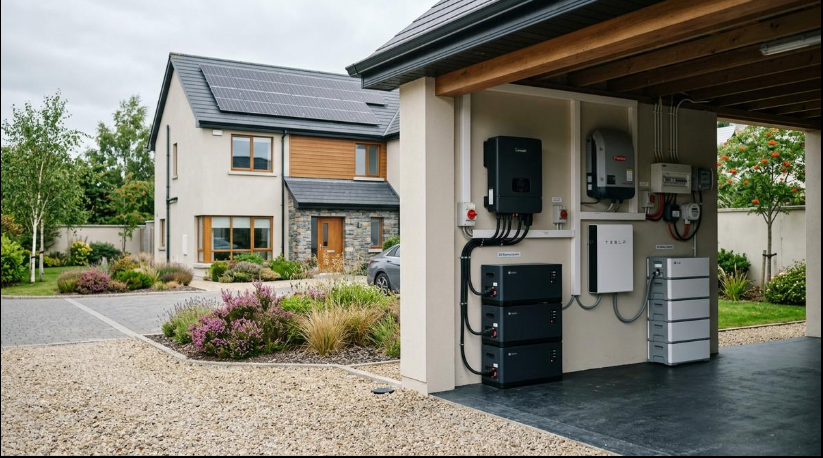
Many homeowners now choose to pair solar panels with battery storage systems. Batteries allow households to store excess electricity generated during the day and use it later in the evening when electricity demand is higher.
While batteries increase installation costs, they can also improve energy independence and help maximize the value of solar energy under current net billing rules.
How Much Money Can You Save With Solar in California?
Savings are the main reason many homeowners consider installing solar panels.
Electricity Bill Reduction
Solar panels generate electricity for your home, reducing the amount of power you need to purchase from your utility company. Depending on system size and household energy usage, solar panels can significantly reduce monthly electricity bills.
Homes with higher energy consumption typically see the largest savings because they offset more expensive grid electricity.
Solar Payback Period
The solar payback period refers to the amount of time it takes for energy savings to equal the cost of installing the system. In California, payback periods vary depending on system price, incentives, electricity rates, and household energy usage.
Many homeowners see payback periods within a reasonable number of years, after which the electricity generated by their solar system effectively becomes free.
Long-Term Savings
Solar panels usually last 25 years or more. Over that time, homeowners may save tens of thousands of dollars in electricity costs.
These long-term savings are especially significant in states with high electricity prices, making solar a strong financial investment for many households.
When Solar Panels Are Most Worth It in California?
Solar panels can be valuable for many homeowners, but certain conditions make the investment even more beneficial.
Homes With High Energy Consumption
Households that use large amounts of electricity often experience the greatest benefits from solar power. High usage means more electricity can be replaced with solar production, resulting in larger monthly savings.
Good Roof Orientation and Sunlight
Solar systems perform best when installed on roofs with strong sunlight exposure. South-facing roofs typically receive the most sunlight throughout the day, although east- and west-facing roofs can also work well in many situations. Minimal shading from trees or nearby buildings helps maximize solar energy production.
Long-Term Homeownership
Solar systems generate savings over many years. Homeowners planning to stay in their homes long term often gain the most financial benefit. If you plan to move within a short time frame, the financial advantage may be smaller, though solar panels can still increase home value.
Benefits of Solar Panels Beyond Saving Money
While financial savings are important, solar panels offer several additional benefits.
Protection From Rising Energy Prices
Electricity prices have historically increased over time. Solar panels allow homeowners to generate their own electricity, reducing exposure to future utility rate hikes.
Backup Power With Batteries
When combined with battery storage, solar systems can provide backup electricity during power outages. This added resilience can be particularly valuable during extreme weather events or grid disruptions.
Increased Home Value
Studies have shown that homes equipped with solar panels often sell at higher prices than comparable homes without solar systems. Buyers may be willing to pay more for properties with lower electricity costs and renewable energy features.
Environmental Benefits
Solar panels produce clean electricity without releasing harmful emissions. By generating renewable energy, homeowners reduce their carbon footprint and help support a cleaner environment.
Situations Where Solar May Not Be Worth It
Although solar panels offer many advantages, they may not be the best option for every household. Homes with heavy roof shading may not produce enough electricity to justify installation costs. Very low electricity usage can also reduce financial benefits, since the system may generate more electricity than the household needs.
Renters or homeowners planning to move in the near future may find it difficult to recover the upfront cost of installing solar panels. Understanding these limitations can help homeowners make realistic decisions.
How to Determine If Solar Is Worth It for Your Home?
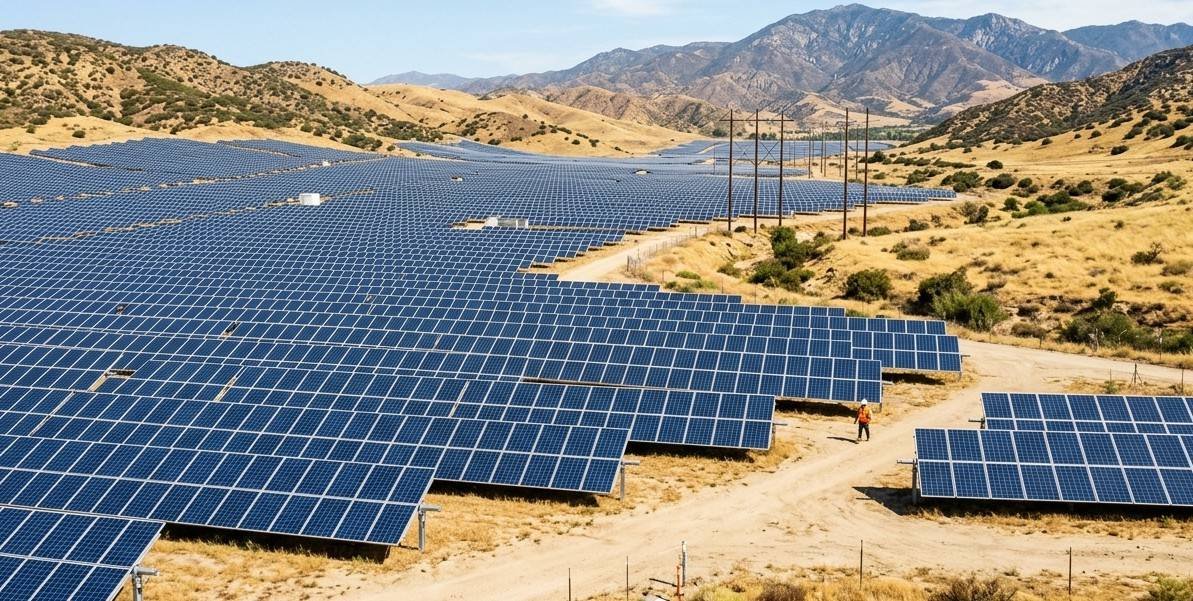
Every home has unique characteristics that influence whether solar panels are financially worthwhile. Start by reviewing your current electricity bills to understand how much energy your household consumes each month. Next, estimate how much electricity a solar system could produce based on your roof size, sunlight exposure, and local climate.
Finally, compare installation costs with potential long-term savings. Many solar providers offer free assessments that help homeowners estimate system size, cost, and expected savings. This analysis provides a clearer picture of whether solar is a smart investment for your specific home.
The Future of Solar Energy in California
Solar adoption continues to grow across California as technology improves and energy policies evolve. Battery storage systems are becoming more common, allowing homeowners to store solar electricity and use it when energy demand is highest.
Utilities are also experimenting with new rate structures designed to balance energy demand throughout the day. As technology advances and solar equipment becomes more efficient, the value of residential solar systems may continue improving.
Conclusion:
Solar panels can still deliver meaningful savings, particularly for households with high electricity bills and strong sunlight exposure. While recent policy changes have reduced the value of exported electricity, well-designed systems can still provide long-term financial benefits.
In addition to lowering energy costs, solar panels offer environmental advantages, protection from rising electricity prices, and potential increases in home value. However, the financial value of solar depends on factors such as energy usage, roof conditions, and how long you plan to stay in your home. Homeowners who carefully evaluate these factors can determine whether installing solar panels is a worthwhile investment.
FAQs About Solar Panels in California!
The payback period varies depending on installation cost, electricity rates, and incentives. Many homeowners recover their investment within several years through electricity savings.
Do solar panels increase home value in California?
Yes. Homes with solar panels often sell for higher prices because buyers value lower electricity costs and renewable energy features.
What is the average lifespan of solar panels?
Most modern solar panels last around 25 to 30 years while continuing to produce electricity efficiently.
Is solar still worth it after NEM 3.0?
Solar can still be financially beneficial, especially when systems are designed to maximize self-consumption and when paired with battery storage.
Do you need permits to install solar panels in California?
Yes. Solar installations typically require permits and inspections to ensure they meet local safety and building regulations.